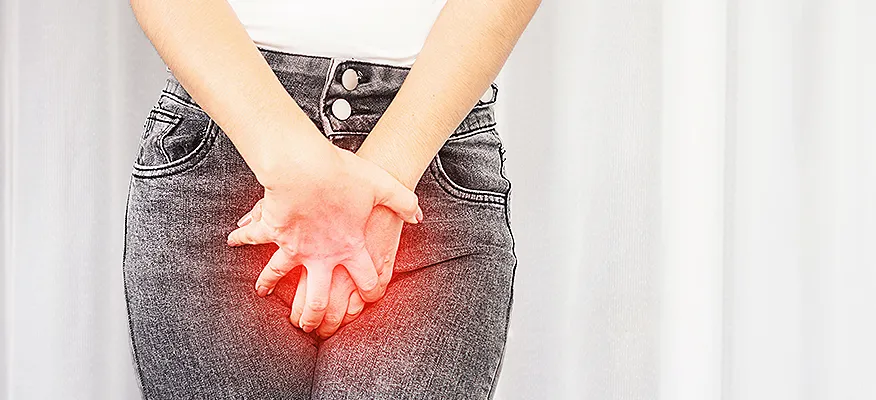
Noticed swelling in your intimate area and feeling unsure about what it means? You’re not alone — and you’re not overreacting. Changes in the body, especially in such a sensitive area, can feel alarming. But take a deep breath: swollen labia is more common than you might think, and in many cases, it’s your body’s way of responding to irritation, hormonal shifts, or minor infections.
This isn’t something to be ashamed of or silently worry about. Your body deserves care, understanding, and attention—not fear or judgment. Whether the swelling is sudden or something you’ve noticed gradually, this guide is here to offer clarity, reassurance, and actionable steps to help you feel better.
In the sections ahead, we’ll walk you through the common causes, key symptoms to watch for, treatment options (both medical and natural), and simple ways to prevent future discomfort. Because knowledge is power—and when it comes to your health, you deserve to feel informed, empowered, and at ease.
Let’s begin by understanding what might be behind the swelling and how you can gently support your body’s healing.
What is swollen labia?
A swollen labia is something that many women go through at some time, and although it may feel alarming, it’s usually not serious.
The labia, comprising the labia minora (inner lips) and labia majora (outer lips), are sensitive and can swell for a variety of reasons, from infections to hormone fluctuations.
Whether you have labia minora swelling, a swollen vulva, or labial edema, this blog will guide you through what’s happening, how to treat it, and when to get medical attention.
Common causes of swollen labia
Knowing what’s causing your labia inflammation is the key to relief. Here are the most common causes:
1. Infections
- A yeast infection is among the most common causes of itchy and swollen labia lips.
- It can cause irritation, redness, and even swollen labia minora with lump if left untreated.
- Other infections, including bacterial vaginosis or sexually transmitted infections (STIs), can also result in swollen and itchy labia.
Sometimes, there are swollen lymph nodes in the labia or a swollen lymph node in the labia majora, which shows that your body is fighting off an infection.
2. Friction and physical activity
- Tight undergarments, heavy exercise, biking, or sitting for extended periods may lead to labial swelling.
- You may even have swollen labia after intercourse or swollen labia after oral due to friction or minor injury.
3. Allergic reactions
- Soaps, bubble baths, pads, laundry detergents, or latex condoms may lead to inflammation of the labia.
- In these instances, a change to fragrance-free or hypoallergenic products usually improves things.
4. Hormonal changes
- Pregnancy usually triggers new changes in the body. Most pregnant women experience swollen labia during pregnancy, particularly in the third trimester.
- For instance, 35 weeks pregnant, swollen labia is a frequent complaint, and at times it can even be a swollen labia sign of labor.
5. Cysts or abscesses
- A labia lump that is swollen may be a Bartholin’s cyst, which develops when a gland close to the vaginal opening becomes blocked.
- This can cause the labia minora to feel swollen and occasionally painful. The cyst can develop into an abscess if it becomes infected.
6. Changes after postpartum
- It is absolutely normal to experience a swollen labia after giving birth, particularly after vaginal delivery.
- Hormonal changes and physical stress tend to cause labial swelling.
7. Lymphatic or Vascular Problems
- Impaired circulation or obstructed lymphatic drainage can lead to labial edema, particularly in cases where one side becomes affected, namely, a swollen labia majora inflamed on one side.
Symptoms of swollen labia
The presenting symptoms depend upon the etiology but can comprise:
- Redness or discoloration
- Labia minora pain or burning
- A painful or tender feeling in the swollen inner labia
- One labia minora swollen and pruritic
- Visible bumps or lumps
- Labia minora and majora that are swollen simultaneously
- Painful urination or intercourse
- Pain when walking or sitting
How is swollen labia diagnosed?
If you see a healthcare provider, they will probably:
- Ask questions about recent activity, like sex, product use, or exercise
- Inspect the area that is affected for inflammation signs of labia or see if there’s a swelling in the labia majora
- Take swabs to exclude yeast infection or STIs
- Inspect swollen lymph nodes labia or strange lumps
- Rarely, imaging or biopsy will be required, particularly if a lump or cyst persists
Treatment of swollen labia
Fortunately, the majority of swelling of labia can be treated with ease:
Medical treatments
- Infections: Most labia swelling due to vaginal infections can be treated with antifungal creams or antibiotics.
- Cysts: Small swollen lumps of labia may heal without treatment, while large ones can be drained or treated with minor surgery.
- Allergies: Avoidance and mild corticosteroid creams can treat.
Home remedies for swollen labia
- Cool compresses to help shrink swelling and alleviate pain
- Warm sitz baths to relieve the area
- Avoid scratching, which will aggravate the inflammation
- Wear cotton, breathable underwear
- Steer clear of scented items and douches
Most women seek swollen labia home remedy solutions initially, and in mild instances, they can provide quick relief.
When to consult a doctor
Consult a medical professional if:
- Your swollen labia persists beyond a few days
- You have painful, swollen labia with fever
- There is a swollen labia minora on one side, itchy with abnormal discharge
- You are pregnant and have swollen labia, pregnancy symptoms, or suspect labor
- You have one swollen labia, which is hard or painful
Early diagnosis prevents complications and accelerates recovery.
Prevention tips

Preventing inflammation of the labia is usually easy with proper hygiene and a few lifestyle adjustments:
- Use gentle, unscented products
- Wear loose, breathable clothing
- Avoid prolonged moisture or tight exercise equipment
- Practice safe sex to avoid infection
- Stay hydrated and minimize stress
Seek treatment early if you experience swollen lymph node labia or other symptoms.
Conclusion
An enlarged labia, be it labia minora swelling, swollen labia majora, or labial edema, is usually manageable and not necessarily a sign of something serious. Nevertheless, listen to your body. If you notice prolonged discomfort or indications of infection, visit a healthcare professional.
By knowing swollen labia causes, identifying symptoms, and implementing proper swollen labia treatment, you can feel relieved and take more care of your intimate well-being.
If in doubt, don’t hesitate to talk to a doctor—your peace of mind and comfort are important.