
Energy levels naturally fluctuate throughout the day, influenced by various factors, including our diet, sleep patterns, hydration levels, and stress.
These dips and boosts can impact our productivity, mood, and overall well-being, making it all the more crucial to find ways to keep our energy steady.
Sustained energy doesn’t just help us power through work or daily chores—it’s also key to maintaining a positive outlook and feeling our best.
While caffeine or sugary snacks might seem like quick fixes, they often lead to a crash later on. Instead, certain foods and lifestyle habits can offer a steady, lasting source of fuel to help us keep going strong.
In this blog, we’ll explore the best foods and simple tips to maintain energy throughout the day, naturally and effectively.
Why energy levels dip: common culprits
Energy dips can strike at any time, leaving women feeling sluggish, unmotivated, and unable to keep up with the demands of the day.

But did you know that anemia is one of the leading reasons behind low energy in women?
Let’s take a closer look at why energy levels drop and how anemia plays a key role.
1. Anemia: The silent energy thief
- Anemia affects millions of women worldwide, often going undiagnosed until symptoms like extreme fatigue, pale skin, and dizziness become impossible to ignore.
- Iron deficiency anemia, the most common type, reduces the amount of oxygen your blood can carry to your tissues, leaving your body struggling to produce energy.
- Factors such as menstruation, pregnancy, and insufficient iron-rich foods can increase the risk of anemia in women.
2. Poor sleep
- While sleep deprivation affects everyone, women with anemia may find their fatigue worsened by poor sleep quality.
- Anemia can disrupt your ability to achieve deep, restorative sleep, creating a vicious cycle of low energy.
3. Dehydration
- Dehydration exacerbates the symptoms of anemia by making it harder for your blood to circulate efficiently.
- Women often underestimate their fluid needs, and this can worsen the oxygen-carrying capacity of already depleted red blood cells.
4. Stress and emotional load
- Chronic stress not only depletes energy but also worsens anemia.
- Stress hormones like cortisol can impact the body’s ability to absorb and utilize essential nutrients, including iron, further contributing to fatigue.
5. Dietary choices: Skipping iron-rich foods
- Processed foods and sugary snacks may give a quick energy spike, but they provide no lasting fuel.
- For women, neglecting iron-rich foods like leafy greens, legumes, and fortified grains can directly lead to iron deficiency anemia, resulting in persistent tiredness.
6. Life stages and hormonal changes
- Women experience unique hormonal and physical changes during menstruation, pregnancy, and menopause.
- These life stages often increase the likelihood of anemia due to blood loss, higher iron demands, or reduced nutrient absorption.
Top energy-boosting foods
Certain foods are naturally packed with nutrients that provide lasting energy, supporting everything from mental clarity to physical stamina.
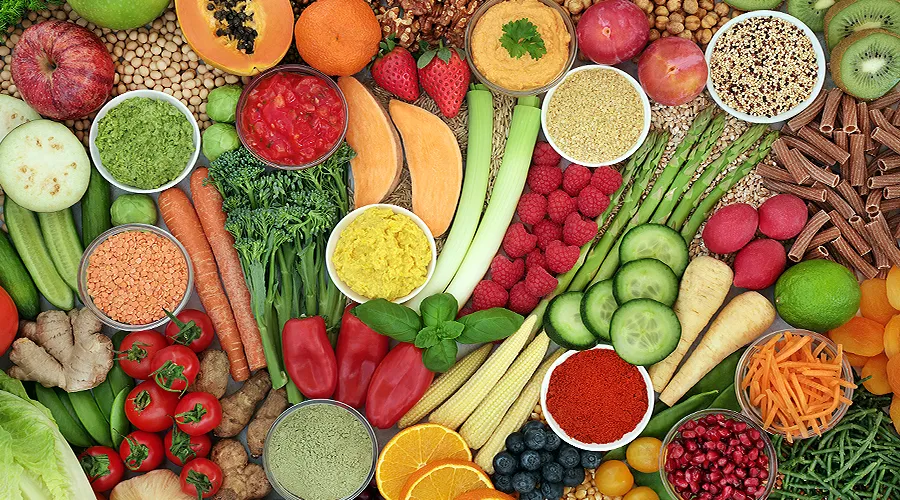
Incorporating these energy-boosting options into daily meals can help avoid the afternoon slump and keep us fueled throughout the day.
1. Whole grains (e.g., oats, quinoa, brown rice)
- Whole grains are rich in complex carbohydrates that break down slowly, providing a steady release of energy instead of a quick spike and crash.
- They’re also packed with fiber, which keeps you feeling full and satisfied. Oats, for instance, make a fantastic breakfast option, fueling the body with energy that lasts well into the morning.
- Quinoa and brown rice are excellent choices for lunch or dinner, adding both nutrients and a filling base to any meal.
2. Leafy greens (e.g., spinach, kale)
- Leafy greens like spinach and kale are packed with iron, a mineral essential for transporting oxygen in the blood, which helps keep your energy levels high.
- They’re also loaded with magnesium, which plays a key role in energy production at the cellular level.
- Try adding a handful of leafy greens to your smoothies, salads, or soups to reap these energizing benefits.
3. Nuts and Seeds (e.g., almonds, chia)
- Nuts and seeds are rich in healthy fats and proteins, which are slower to digest, providing a gradual release of energy.
- Almonds are especially high in magnesium and B vitamins, both crucial for turning food into energy.
- Chia seeds, with their fiber and omega-3 fatty acids, support sustained energy as well.
- A small handful of nuts or a sprinkle of seeds over yogurt or salads can be an easy energy-boosting addition to your diet.
4. Fruits rich in natural sugars (e.g., bananas, apples)
- Fruits like bananas and apples are great for a quick, healthy energy boost.
- Bananas are particularly rich in potassium, which helps maintain healthy muscle function and electrolyte balance, essential for sustained energy.
- Apples contain fiber and antioxidants, giving you an energy boost that doesn’t lead to a crash.
- These fruits make for perfect snacks between meals, providing natural sugars that offer quick yet stable energy.
5. Water and Hydration Sources (e.g., coconut water, cucumber)
- Staying hydrated is one of the simplest yet most effective ways to combat fatigue.
- Dehydration can cause energy levels to plummet, affecting focus and alertness.
- Water is the go-to option, but hydrating sources like coconut water, which has natural electrolytes, or cucumber, which has a high-water content, are also beneficial.
- Start each day with a glass of water and continue to sip throughout the day to prevent dehydration-related energy dips.
Lifestyle tips to maximize energy
For women, combating anemia and maintaining high energy levels often requires thoughtful lifestyle choices.
By focusing on specific strategies tailored to support iron levels and overall health, you can feel more energized and resilient every day.
1. Prioritize Iron-rich Foods
Incorporating iron-rich foods into your diet is essential to combat anemia and boost energy. Focus on plant-based sources like:
- Leafy greens such as spinach, kale, and fenugreek.
- Lentils, chickpeas, and other legumes.
- Fortified cereals and whole grains.
Pair these with vitamin C-rich foods like oranges, strawberries, or tomatoes to enhance iron absorption. Avoid drinking tea or coffee immediately after meals, as they can inhibit iron absorption.
2. Regular hemoglobin check-ups
- Routine hemoglobin (Hb) tests can help detect anemia early and track your progress if you’re working to improve your iron levels.
- Women are particularly at risk due to menstruation and pregnancy, making regular check-ups crucial for maintaining good health.
3. Hydration for energy
- Proper hydration supports healthy blood flow and oxygen transport, both of which are vital for energy.
- Drink water throughout the day and consider adding a squeeze of lemon or a splash of coconut water for natural electrolytes.
4. Balanced meal timings
- Skipping meals or eating at irregular intervals can worsen energy slumps and blood sugar imbalances.
- Plan smaller, iron-rich meals or snacks every 3-4 hours to stabilize energy levels and keep fatigue at bay.
5. Improve sleep quality
- Good sleep supports red blood cell production and overall recovery.
- Establish a calming bedtime routine with practices like journaling or reading to wind down.
- If you struggle with restless nights, ensure your diet supports sleep by including magnesium-rich foods like nuts and seeds.
6. Stay active, but don’t overdo it
- Regular physical activity improves circulation and boosts energy, but women with anemia should avoid overexertion, as it can lead to increased fatigue.
- Aim for gentle exercises like walking, yoga, or swimming to keep your body active without draining your reserves.
7. Manage stress thoughtfully
- Chronic stress can impact your body’s ability to absorb nutrients, exacerbating anemia.
- Practice mindfulness or relaxation techniques such as deep breathing or meditation to reduce stress and conserve energy.
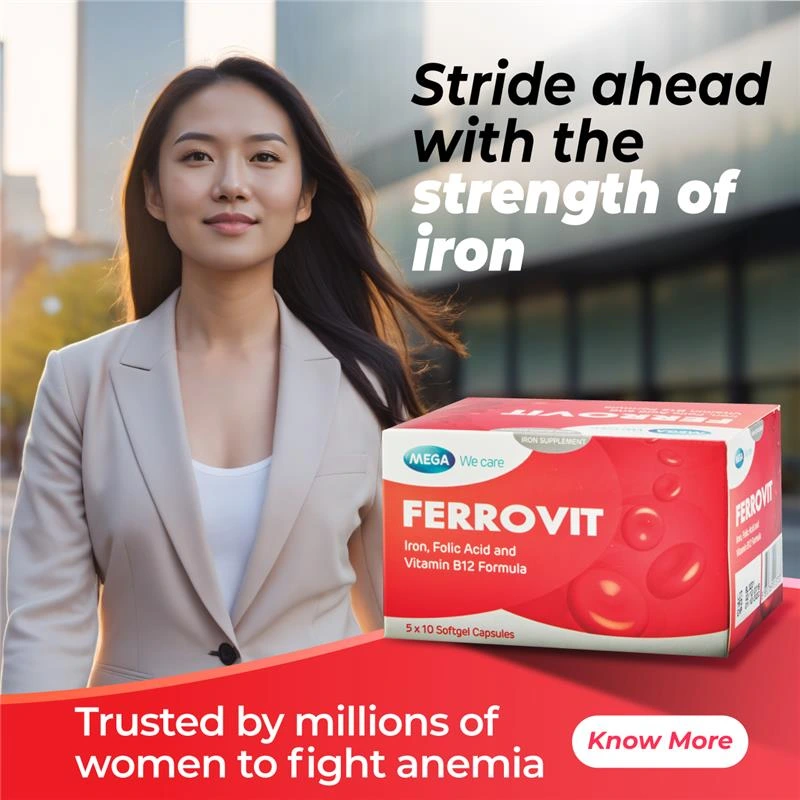
8. Consider iron supplements if needed
- In some cases, dietary changes alone may not be enough.
- Consult your doctor about iron supplements, especially if your hemoglobin levels are low. Always take supplements as prescribed and avoid self-medicating.
By incorporating these lifestyle habits, you’re setting yourself up for steady, sustainable energy throughout the day.
Small changes can make a big difference in how you feel, ultimately helping you stay more focused, productive, and in tune with your body’s natural rhythms.
Conclusion
Maintaining energy throughout the day isn’t just about quick fixes—it’s about building a balanced lifestyle that supports steady, sustained vitality. As we’ve explored, both food choices and daily habits play a crucial role in how energized we feel. By incorporating even a few of these tips each day, you’ll likely notice a meaningful boost in your energy levels. Remember, small steps add up over time, and consistency is key. When you prioritize nourishing foods and supportive habits regularly, you’re investing in long-term well-being and vitality.