
From a baby’s first heartbeat to their first step, brain growth is an amazing and tender process. It starts inside the womb and speeds up in infancy and toddler years. Perhaps one of the best methods for fostering this growth? Selecting the appropriate baby brain growth food from day one.
Whether you are an expecting mom who is curious to know what to feed a brainy baby or a mother searching for the most appropriate baby brain development foods, this handbook has got everything covered—foods, nutrients, and sensible tips to drive your baby’s brain development.
Why nutrition matters for a baby’s brain
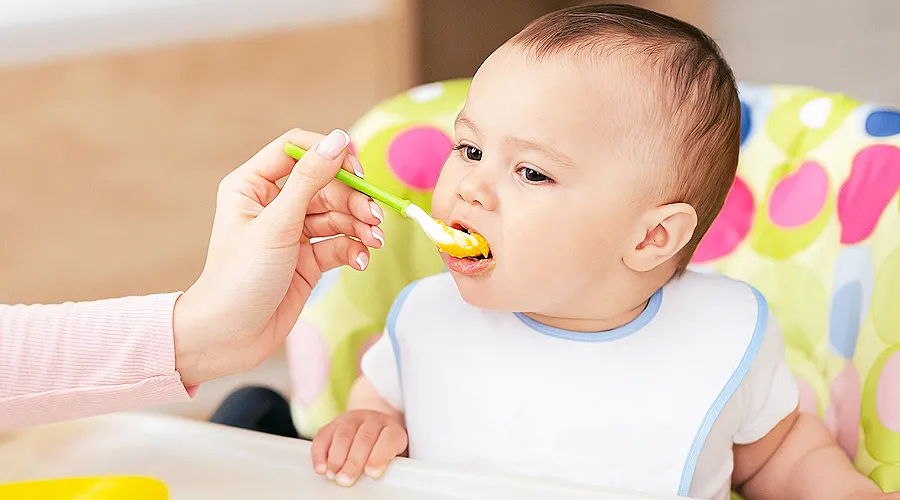
The baby’s brain develops at lightning-fast speed, particularly during pregnancy and infancy in the first two years. In reality, the brain develops approximately 80% of what it needs by age three! During this critical period, infant brain development is instrumental in forming memory, emotional well-being, attention span, and the ability to learn.
Nutrients such as DHA, iron, and choline construct the structure of the brain, whereas vitamins and antioxidants safeguard the brain cells from injury. Simultaneously, pregnancy foods for brain development set the foundation before birth. Selecting appropriate foods during pregnancy to make a baby smart will have long-term impacts on your child’s life.
Key nutrients for brain development
The first few years of life are crucial for brain development—and good nutrition plays a big part. Here are the top brain-boosting nutrients your baby needs and where to find them in a vegetarian-friendly diet:
1. DHA (Omega-3 Fatty Acids)
Vital for building brain and eye cells.
Sources: Chia seeds, flaxseeds, walnuts, and DHA-fortified plant-based milk or oils.
2. Iron
Helps transport oxygen to the brain and supports mental and motor development.
Sources: Lentils, spinach, amaranth leaves, tofu, fortified cereals, pumpkin seeds.
3. Choline
Supports memory and learning by helping neurotransmitters function.
Sources: Soybeans, kidney beans, cauliflower, quinoa, and plant-based milk alternatives.
4. Folate (Vitamin B9)
Crucial for brain and spine development, especially in early pregnancy.
Sources: Leafy greens (like moringa and spinach), legumes, oranges, papaya, and fortified whole grains.
5. Iodine
Supports healthy thyroid function, which is key for brain growth.
Sources: Iodized salt, potatoes, seaweed (in moderation), and fortified foods.
6. Zinc
Essential for brain cell communication and overall immunity.
Sources: Chickpeas, whole grains, sesame seeds, pumpkin seeds, and mung beans.
7. Vitamins B6, B12, and D
Play a role in emotional regulation and healthy brain signaling.
Sources: B6 – bananas, potatoes, and fortified cereals;
B12 – nutritional yeast and fortified plant-based milk;
Vitamin D – safe sunlight exposure and fortified foods.
Best foods for baby and toddler brain development
Here is a list of baby brain development foods, by age group:
- During Pregnancy
- Leafy greens (folate, iron)
- Lentils & legumes (iron, folate)
- Berries (antioxidants)
- Avocados (healthy fats)
- Nuts & seeds (omega-3s)
- Plant-based Milk (good for brain development) (particularly fortified with DHA)
These are foods good for fetus brain development and should be a standard part of a prenatal diet.
For Infants (6–12 months)
- Breast milk or formula (optimal milk for brain growth of baby)
- Mashed bananas (energy + potassium)
- Avocados (good fats)
- Iron-fortified cereals (increase iron level)
- Boiled egg yolk (choline, B12)
For Toddlers (1–3 years)
- Whole milk or fortified milk (optimal milk for brain development after breastfeeding)
- Nut butters (almond, peanut) – only in the absence of allergy risk
- Sweet potatoes (antioxidants, vitamin A)
- Salmon (DHA for brain and eye development)
- Cottage cheese, tofu (protein + calcium)
All these choices are toddler-friendly and good for baby’s brain development.
Sample brain-healthy meal ideas
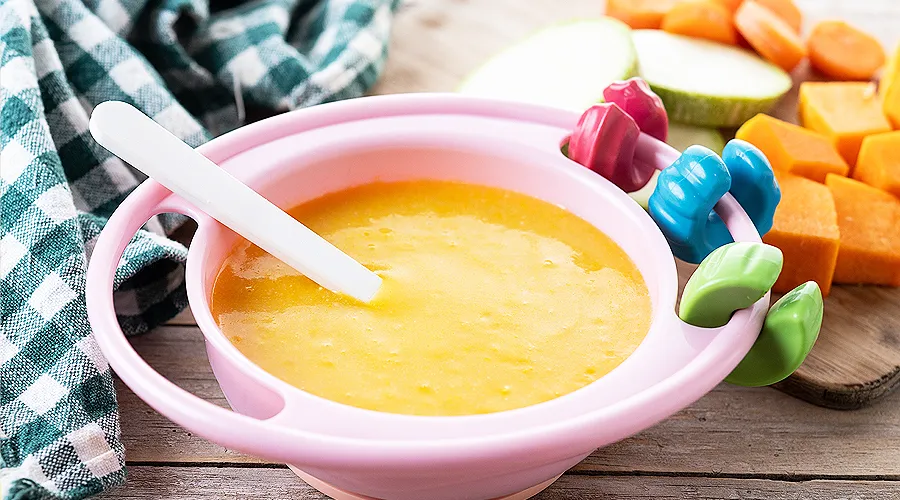
Feeding your baby for brain development doesn’t have to be fancy or complicated.
The key is to include a variety of foods rich in iron, zinc, healthy fats, protein, and key vitamins like A, D, and B-complex.
Here are some simple, nourishing meal ideas using everyday ingredients found across Southeast Asia and East Africa:
1. Breakfast: Finger Millet (Ragi) Porridge with Mashed Banana
- What’s in it: Ragi flour, water/coconut milk, mashed ripe banana, a spoon of groundnut or sesame paste
- Why it’s great: Ragi (finger millet) is high in iron and calcium. Bananas offer potassium and energy, and nuts/seeds add healthy fats.
- Tip: Cook ragi slowly to make it smooth and lump-free. Add a dash of cardamom for flavor. For extra iron absorption, pair with a vitamin C fruit like mashed orange or guava.
2. Mid-Morning Snack: Avocado Mash with Soft Sweet Potato Fingers
- What’s in it: Mashed ripe avocado and steamed orange sweet potato sticks
- Why it’s great: Avocados provide monounsaturated fats crucial for brain cell growth. Sweet potatoes are rich in beta-carotene and fiber.
- Tip: Chill the avocado mash slightly for teething babies. Try local orange-fleshed varieties of sweet potato for added vitamin A.
3. Lunch: Mashed Cowpeas or Lentils with Pumpkin and Soft Rice
- What’s in it: Soft-cooked cowpeas or mung dal, mashed pumpkin, and rice
- Why it’s great: Legumes give plant-based protein and iron; pumpkin is rich in vitamin A and rice is an easy energy source.
- Tip: Add a few drops of oil (like sesame or coconut) for better absorption of fat-soluble nutrients. Use red or orange pumpkin for more antioxidants.
4. Afternoon Snack: Coconut Yogurt with Mashed Papaya or Mango
- What’s in it: Unsweetened coconut or soy yogurt and soft ripe fruit mash
- Why it’s great: Yogurt supports gut health; mango and papaya are high in vitamin C and support immunity and brain function.
- Tip: Use mashed guava or dragon fruit when in season. Choose plain yogurt with no added sugar for toddlers under 2.
5. Dinner: Soft Ugali (or Rice Balls) with Groundnut Sauce and Leafy Greens
- What’s in it: Ugali made from maize or millet flour, smooth groundnut sauce, and sautéed sukumawiki (collard greens)
- Why it’s great: Ugali offers complex carbs; greens like amaranth or spinach are iron-rich; groundnuts give brain-friendly fats and protein.
- Tip: Blend or finely chop greens for easier swallowing. Lightly toast the groundnut paste before mixing to enhance taste and aroma.
6. Bonus (12+ months): Spinach, Banana & Oat Milk Smoothie
- What’s in it: Steamed spinach, banana, rolled oats, and oat or coconut milk
- Why it’s great: A creamy, iron- and fiber-rich smoothie that toddlers love—plus it helps hydrate and energize.
- Tip: Serve in a cup with a fun straw and call it “super juice”
Don’t forget water and best milk for brain development as per your pediatrician’s recommendation. In case your baby is weaned, milk good for brain development (enriched with DHA or iron) is helpful.
Tips for feeding babies brain-boosting foods
Feeding babies and toddlers can be challenging. Here are some tried-and-tested tips:
- Start early: Introduce varied tastes and textures from 6 months.
- Rotate ingredients: Keep food varied to encompass a broad spectrum of nutrients.
- Encourage self-feeding: Assists in the development of motor skills and independence.
- Use colorful foods: Vibrantly colored fruits and vegetables attract toddlers.
- Left brain exercises for toddlers: Combine nutrition with fun activities such as shape sorting, building blocks, and reading aloud.
These are not only good habits to adopt for eating, but they also promote both sides of the brain.
When to talk to your pediatrician
Though baby brain development foods consist of a large part, there will be situations that require consulting the doctor. Discuss with your pediatrician if:
- You see indicators of brain injury in babies, e.g., flaccid muscles, absence of eye contact, or delay in development
- You are confused about vitamins for baby for brain
- Your baby develops food allergies or growth retardation
- You’re confused regarding converting to milk for the brain growth of the baby after weaning
Doctors can prescribe vitamins, feeding style, and also refer to brain development specialists as necessary.
Conclusion
Nourishing your child’s brain is among the most critical things you can do as a parent. From pregnancy foods to make baby smarter to toddler balanced brain development food, every step counts. Healthy meals, full of whole foods and the appropriate vitamins for brain development in toddlers, will set the stage for a bright future.
Your baby’s brain is developing second by second—feed it with love, play, and intelligent nutrition.