

When your baby starts solids, every spoonful becomes a chance to nourish not just their body, but lifelong habits too. In Southeast Asia and East Africa, where food traditions are rich in plant-based goodness — think sweet potatoes, lentils, bananas, and millet — fiber sneaks its way into many classic meals.
But are we giving our little ones enough of this gut-friendly nutrient?
Adding fiber rich foods for babies not only helps with digestion but also sets the foundation for lifelong healthy eating habits.
Whether introducing solids, fighting constipation, or navigating a finicky toddler, this guide will assist you in selecting the proper fiber foods for babies with confidence.
Why babies need fiber
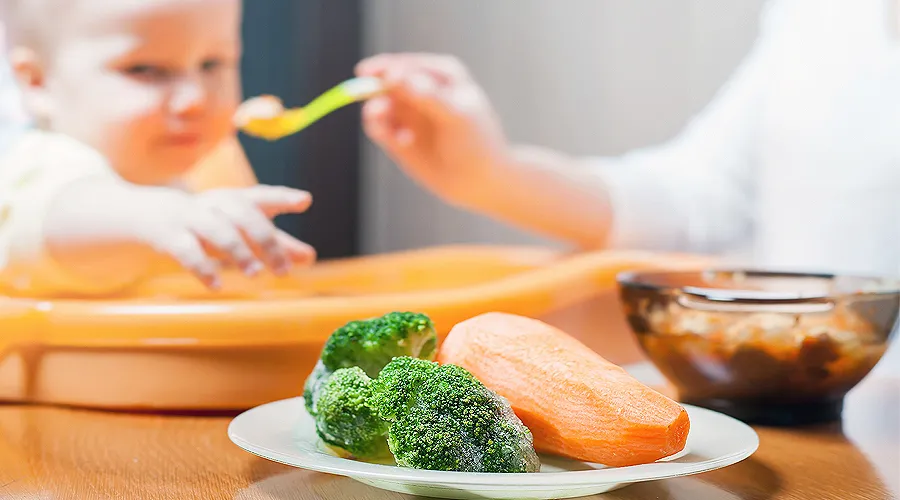
Fiber might not be the first nutrient you think of when feeding your baby — but it’s a game changer for their tiny digestive systems.
While babies don’t need as much fiber as adults, just the right amount helps keep things running smoothly (literally!). It supports regular bowel movements, prevents constipation — a common issue when starting solids — and gently trains the digestive tract to handle more complex foods.
But fiber does more than just help with digestion. It also feeds the ‘good bacteria’ in your baby’s gut, which boosts immunity and helps build a strong foundation for long-term health. Plus, fiber-rich foods — like fruits, veggies, and whole grains — are naturally loaded with essential nutrients your growing baby needs.
In regions like Southeast Asia and East Africa, many traditional weaning foods — such as mashed papaya, boiled sweet potatoes, soft lentils, and millet porridge — are naturally high in fiber.
So, with a little planning, it’s easy to give your baby the benefits of fiber, using everyday local ingredients. In short? A little fiber goes a long way in helping your baby feel full, stay regular, and grow strong.
When can infants begin eating fiber foods?
- Infants can begin eating high fiber foods for babies 6 months after they start solids.
- Initial choices are pureed or mashed high-fiber vegetables for babies, such as peas, carrots, and sweet potatoes, and soft, peel-removed fruits with fiber for babies, such as bananas or pears.
- By beginning early, you introduce your infant to natural, nutritious foods and help him/her acquire a taste for them.
How much fiber do babies need?
- Though there is no specific daily intake for infants younger than one year, pediatricians suggest around 5 grams of fiber for infants aged between 6–12 months.
- Toddlers aged between 1 and 3 years require approximately 19 grams daily. Initiation of high fiber diet for babies needs to be done slowly and regularly.
- For high fiber foods for 10 month baby, you may include more variety like oats, lentils, and steamed vegetables.
Fiber types: Soluble and insoluble
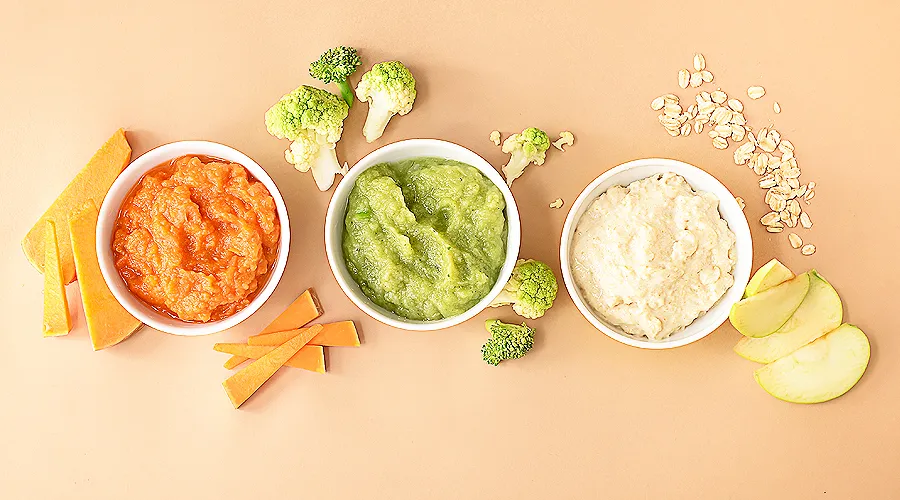
Knowing fiber types enables you to manage your baby’s diet efficiently:
- Soluble fiber is dissolved by water and becomes a gel-like substance. It makes stools soft and can relieve constipation—a huge bonus for a constipation-prone baby.
- Insoluble fiber gives bulk to stools and makes it easy for food to move through the digestive tract.
Most high-fiber foods suitable for children contain both, promoting easy digestion and overall gut health.
Best high fiber foods for babies (6 months and older)
Below is a compilation of high fiber foods for picky toddlers that are delicious yet easy to digest:
| Fruits High in Fiber for Babies |
|
| Vegetables High in Fiber for Babies |
|
| Whole Grains and High-Fiber Cereals |
|
These foods are great to add to a high fiber diet for baby constipation and also great to use in mixed foods and pureed foods.
Signs your baby needs more fiber
If your baby is:
- Straining during bowel movements
- Having hard, dry stools
- Bowel movements fewer than three times a week
…it may be time to add more fiber foods for a constipated baby. Improvement is seen by many parents by gradually introducing fiber rich foods for toddlers in addition to extra water or breast milk.
Fiber and fluids: The perfect pair
Fiber can’t function without sufficient fluids. Breast milk, formula, or occasional water sips (for babies 6 months and up), hydration is essential. When you add fiber to children, you need to add fluids as well to keep things running smoothly and avoid bloating or gas.
High-fiber meal ideas for babies
Here are some simple and healthy ideas incorporating fiber foods for babies:
- Breakfast: Oats with mashed banana and soaked chia seeds
- Lunch: Mashed lentils, sweet potato, and a pinch of cumin
- Snack: Steamed slices of pear or bland, high fiber snacks for toddlers
- Dinner: Quinoa with mashed carrots and peas
These too are excellent choices of fiber foods for fussy toddlers. A variety of flavors and textures stimulates interest and enhances acceptance.
Fiber safety tips for babies
To ensure fiber for kids is safe and efficient:
- Gradually introduce it to prevent bloating
- Counterbalance with sufficient fluids
- Look for intolerance or allergy symptoms
- Steer clear of very processed or adult high-fiber foods unless pediatrician-sanctioned
When introducing high fiber foods in infants, serve in small amounts and watch for changes in stooling patterns or appetite.
What happens if my child gets too much fiber?
Too much of fiber for kids can lead to issues such as:
- Gassiness and bloating
- Diarrhea
- Feeling full too fast
- Nutrient malabsorption
If your baby exhibits these symptoms, reduce the fiber and reintroduce it gradually. Babies can be overwhelmed by too much fiber.
When to call your pediatrician
Talk to your doctor if your baby:
- Has persistent constipation even after changing their diet
- Will not eat most solid foods
- Exhibits signs of distress or inadequate weight gain
- Has a negative reaction to high fiber foods for the baby’s constipation
In other instances, your pediatrician may prescribe fiber vitamins for children or customized feeding regimens.
Conclusion
Introducing fiber-rich foods to your baby doesn’t have to be complicated — or bland!
From fiber-rich fruits for babies to gentle fiber rich vegetables for babies such as sweet bananas and soft lentils to creamy avocado and hearty millet, there are so many wholesome, locally available options to choose from in Southeast Asia and East Africa. The key is to start small, make it gentle on their tiny tummies, and mix things up for variety.
Whether you’re preparing meals for a 6-month-old, a 10-month-old baby, or a curious toddler, a high fiber, balanced diet for kids can make a significant impact on their health and happiness.