

Let’s be real — few things in life are as uncomfortable (and oddly infuriating) as boob sweat. It sneaks up on you in the middle of a hot day, shows up uninvited during a workout, and turns your bra into a tiny sauna.
Whether you’re walking to the grocery store or just sitting minding your own business, that sticky, clammy feeling is all too familiar for many women.
But why does this happen? Are our boobs just overachieving sweat glands? And more importantly — how do we stop it before it turns our summer glow into a soggy mess? Don’t worry.
We’re lifting the lid (or maybe just the sports bra) on what causes boob sweat and how you can stay dry, comfy, and confident — no matter how high the mercury rises.
What is boob sweat?
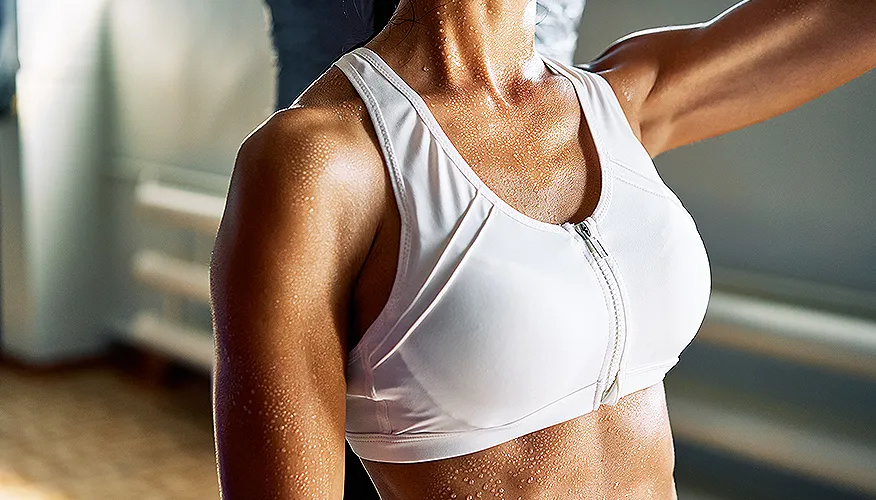
Boob sweat is especially common in the under breast sweat zone due to limited airflow and skin-to-skin contact. This, in addition to leading to discomfort and sweat rash under the breast, can be a cause of embarrassment and odor.
While it may seem logical that larger boobs have more breast sweat glands, research suggests otherwise. Smaller boobs have more sweat glands per unit area than larger ones. It also seems that it’s more embarrassing to share if you’re already embarrassed about boob sweat than to experience it.
Assuming 60% of U.S. women who are embarrassed about underarm sweating are also embarrassed about boob sweating, it’s understandable if you’re self-conscious about it and need help managing it.
Why are you sweating under your breasts?
There are numerous reasons behind your underboob sweating, some of them are:
Causes of boob sweat
Skin folds
- In most cases, your boobs don’t sweat any more or less than any other part of your body.
- But, the anatomy of the body part and the skin folds under your boobs are more prone to trap hat and moisture due to limited airflow.
- That’s also why larger boobs have more under breast sweat.
Clothing and friction
- If you’re into fitness, you might notice that your boobs sweat more during exercise.
- Spandex and polyester clothes often trap heat and restrict sweat evaporation to make your boobs sweat a lot more than usual.
- Friction from breasts rubbing your skin can also cause chafing.
Hormonal changes
- Changes in estrogen and progesterone levels may influence how much you sweat. They’re mostly known as night sweats or hot flashes.
- Apocrine breast sweat glands present in boobs are particularly susceptible to sweating through hormonal changes.
Why do my breasts smell?
The basic reason why your breasts smell is that the trapped moisture is interacting with bacteria on the skin. In more detail, as apocrine glands produce a thick, protein-rich sweat, the bacteria on your skin break down the sweat to release compounds like 3M2H and HMHA, which make sweat under breasts smell sour, vinegary, or musty. This process is called bromhidrosis.
On the other hand, consuming sulfur-rich food can release body odor when the sulfur-containing compounds are released through sweat.
What are some complications of sweaty boobs?
Here are the most common complications that sweat-prone women face:
| Issue | Description |
| Intertrigo | Intertrigo is a condition where skin becomes red and inflamed due to trapped moisture and friction, often leading to bacterial or fungal infections. |
| Folliculitis | Folliculitis occurs when hair follicles become inflamed, typically caused by bacterial infection in moist, sweaty areas. |
| Friction and Chafing | Breasts rubbing against the torso or bra can cause friction and chafing, which leads to irritation and soreness. |
| Body Odor (Bromhidrosis) | The breakdown of sweat by bacteria can produce a strong, unpleasant odor that may be socially embarrassing. |
| Hidradenitis Suppurativa | This condition involves painful lumps or abscesses caused by blocked hair follicles, which can be aggravated by sweat and friction. |
| Emotional and Social Impact | Excessive boob sweat can lead to embarrassment, reduced self-confidence, and discomfort during intimate or social situations. |
| Odor and Smell | Some boob sweat smells sour or vinegary, which can be difficult to manage and emotionally distressing. |
| Rashes and Irritation | Many people experience rashes or skin irritation under the breasts, especially in hot weather or when wearing tight clothing. |
| Yeast and Fungal Infections | Boob sweat can contribute to yeast and fungal infections, particularly during pregnancy or breastfeeding, and may be managed with antifungal creams or deodorants. |
Remedies to manage boob sweat
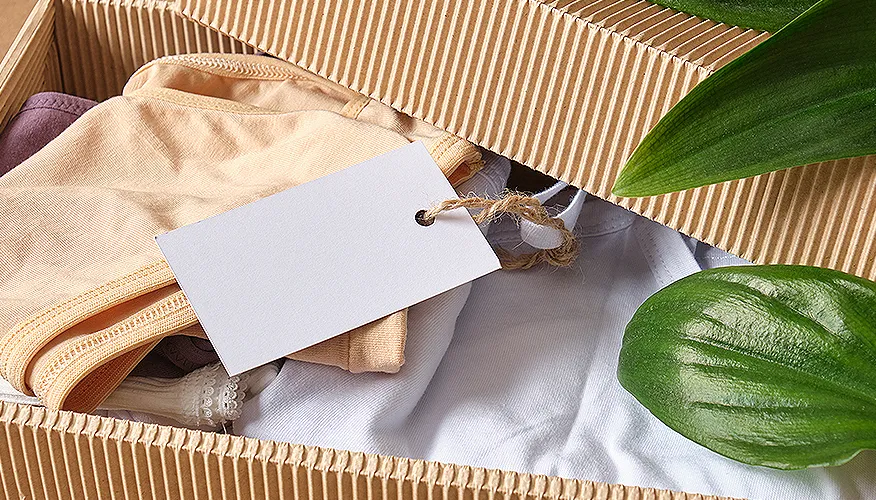
Enough talking about the issues, let’s now discuss the remedies to boob sweat:
Best ways to prevent boob sweat
-
Absorbent products
Bamboo bra liners, cotton socks, muslins, and cotton bra liners are highly recommended for absorbing sweat and reducing irritation. For emergencies, fold up paper towels and place them in your bra cups for a quick, temporary solution. These also work as under breast sweat pads.
-
Deodorants and powders
Apply deodorant under your breasts to manage sweating. Choose aluminum-free options. Baby powders should also work. Use cornstarch as a substitute for baby powder, if not available.
-
Clothing adjustments
You would be surprised to know how many women fail to wear a fitting bra. Ensure that you wear well-fitting, unlined bras made from mesh or lace to improve airflow and reduce sweat. Wear tops made from cotton or linen to improve airflow, reducing boob sweat.
-
Hygiene and skin care
Personal hygeine may cause odor from boob sweat. Keep your breasts clean with soap and water to prevent bacterial growth. Baby wipes can also be used to clean the underboob area.
When to see a doctor
While boob sweat is generally normal, there are situations where it’s advisable to consult a doctor.
-
Excessive Sweating (Hyperhidrosis):
If sweating is excessive and interferes with daily activities, causes emotional distress, or occurs at rest, it may be a sign of hyperhidrosis. It’s treatable in most cases.
-
Skin Irritations or Infections:
If you experience persistent skin irritation, rashes, or infections under the breasts, consult a healthcare provider.
Conclusion
Boob sweat is a common and often uncomfortable issue caused by a mix of anatomy, clothing, environment, and hormonal changes.
While it’s totally normal, it can lead to skin irritation, odor, and emotional discomfort. With the right hygiene, clothing, and preventive products—including under breast sweat pads—you can stay dry and confident.