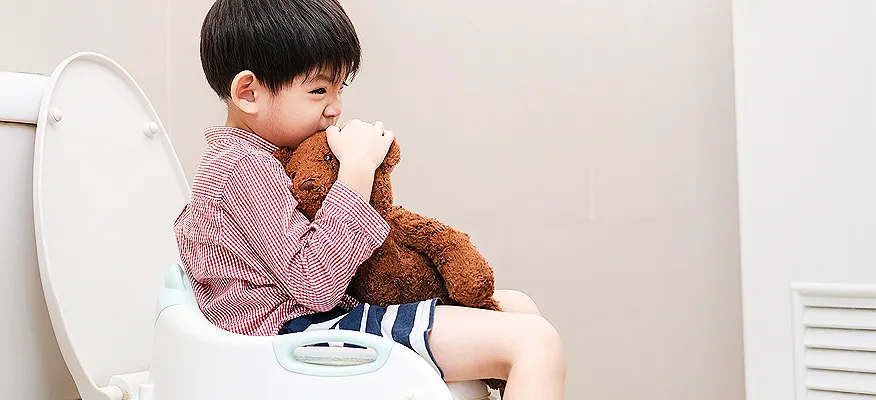
Let’s be honest—poop talk isn’t exactly dinner table conversation. But when your child is struggling to go, it suddenly becomes the most important topic in the house. If you’ve noticed your little one avoiding the bathroom, complaining of tummy aches, or just not “going” as often as usual, constipation could be the culprit.
As a parent, knowing “what is constipation”, its signs and knowing when to intervene is crucial for ensuring a child’s health is not compromised.
This article explores the various signs that indicate a child may need help with constipation, focusing on dietary, physical and psychological aspects, as well as effective solutions.
Parenting comes with all kinds of messy moments, and this is just one of them. But with a little know-how, you’ve got this!
Constipation in kids

Constipation in children is a prevalent issue that affects their gastrointestinal health and overall well-being.
In fact, it is one of the most common reasons for pediatric visits to healthcare providers, with approximately one out of every 20 visits being due to constipation.
Despite its frequency, constipation remains an underdiagnosed concern, with parents often attributing the symptoms to other causes or assuming that irregular bowel movements are just part of the natural developmental process.
Understanding constipation
- Before diving into remedies, let’s first answer what is constipation.
- It is when a child has difficulty passing stool, often leading to infrequent, hard and painful bowel movements.
- It can be owing to factors like poor diet, dehydration, lack of exercise or emotional stress.
Signs to look for
1. Bowel-related indicators
Frequency of bowel movements
- Children’s bowel movement frequency varies with age, diet and health.
- Typically, having fewer than three bowel movements a week indicates constipation.
- Intermittent constipation, with days of normality followed by periods of no movement, often indicates digestive disturbances.
- Consistent infrequent and strained defecation requires constipation medicine.
Appearance of stool
- It is marked by the presence of dry, hard and fragmented stools that resemble pellets or small stones.
- Such stool consistency is not only arduous to expel but is also associated with significant discomfort during elimination.
2. Psychological indicators
- Withholding behavior: Withholding behavior in children, often due to past painful defecation, leads them to intentionally suppress the urge to evacuate. This fear of pain creates a cycle that worsens constipation.
- Avoidance of the washroom: It is reluctance to use the toilet, especially in unfamiliar settings like schools, which can signal underlying constipation in kids.
- School anxiety and social withdrawal: Children with constipation may develop anxiety about bowel movements, especially in structured or social settings like schools. Fear of embarrassment, such as triggering a toilet alarm or soiling clothes, can lead to avoidance behavior, worsening the issue.
3. Physical indicators
- Bloated abdomen: A distended or bloated abdomen is a common physical manifestation of constipation. This may be accompanied by visible discomfort or restlessness.
- Abdominal pain: Recurrent or persistent abdominal pain is one of the major constipation symptoms often localized to the lower abdomen.
4. Alarming Signs
- Anal Fissures: Chronic constipation can cause anal fissures, small tears in the skin around the rectum due to passing large, hard stools. These fissures can lead to pain during bowel movements and minor bleeding, often seen on toilet paper.
- Fecal Streaking: Fecal streaking refers to the presence of small amounts of stool in the child’s underwear. This occurs when constipation leads to partial bowel movements or gas passing through backed-up stool, causing smearing.
Age-wise common causes
The chronic constipation in kids is a possibility owing to varied reasons, many of which are age-dependant, which may include:
| Age Groups | Causes |
| Infants (0–12 months) | Transition from breast milk to formula, intolerance to certain foods or changes in diet. |
| Toddlers (1–3 years) | Withholding stool during toilet training, low fiber diet or dehydration is a sign of baby constipation. |
| Preschoolers (4–5 years) | Fear of using the toilet, irregular toilet habits or high intake of processed foods. |
| School-age (6–12 years) | Stress (e.g., school environment), lack of exercise or poor diet (high in processed foods, low in fiber) |
| Teenagers (13–18 years) | Sedentary lifestyle, poor dietary habits, stress or use of certain medications. |
Do all kids poop the same?
Not all children experience bowel movements in the same way. Factors such as age, diet, physical activity and individual gastrointestinal health all contribute to variations in bowel habits changing constipation meaning for each.
It’s important to differentiate between normal variations and constipation. For example, while breastfed newborns may poo after every feed, older breastfed babies can go several days without pooping without it being a concern, as long as the stool is soft. Also, formula fed babies can have bulkier poops.
Proactive steps in daily life
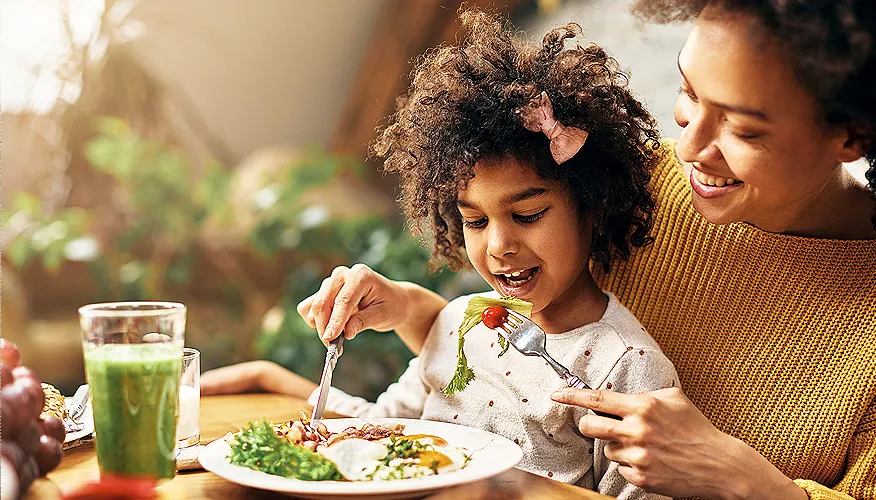
Many people wonder, what is constipation and how to prevent it?
Promoting a fit digestive system in children involves a combination of dietary adjustments, hydration and physical activity.
Below are common strategies to prevent and alleviate it:
- Hydration: Ensuring adequate fluid intake is critical for maintaining soft and easy-to-pass stools from the very start, preventing newborn constipation too. Encourage children to drink water throughout the day and incorporate natural fluids like coconut water and diluted fruit juices.
- Fiber-Rich Diet: Introduce a diet rich in fiber, including fruits (e.g., apples, pears and berries), vegetables (e.g., carrots, broccoli and spinach), legumes and whole grains. These foods add bulk to the stool and facilitate its movement through the digestive tract.
- Physical Activity: Regular exercise, such as walking, running or playing outdoors, can stimulate bowel function and prevent the issue.
- Routine Establishment: Encourage a consistent bathroom routine, particularly after meals for constipation treatment, to train the body to expect regular bowel movements.
- Stress Management: Emotional well-being can significantly impact digestion. Help children manage stress through activities like yoga, meditation or engaging in hobbies.
- Limiting Processed Foods: Avoid highly processed snacks and sugary treats, which can contribute to constipation in kids. Instead, opt for healthier, whole-food alternatives.
Apart from these basic ones, there are certain age- specific remedies.
1. Infants (0-12 months)
- Breastfeeding/Bottle-feeding: Ensure your baby is getting enough fluids. If breastfeeding, continue to do so. If bottle-feeding, you might need to adjust infant formula for constipation.
- Tummy Time: Encourage tummy time to help stimulate bowel movements.
- Bicycle Legs: Gently move your baby’s legs in a bicycling motion to help relieve constipation.
- Massage: A gentle abdominal massage can help stimulate the bowels and prevent constipation colic.
2. Toddlers (1-3 years)
- Regular Meals: Establish regular meal times to help regulate bowel movements.
- Bicycling: You may continue the bicycle motion for better bowel movement.
- Physical Activity: Encourage active play to help stimulate digestion.
3. Preschoolers (3-5 years)
- Balanced Diet: Continue to offer a diet rich in fiber, including fruits, vegetables and whole grains.
- Routine: Establish a regular bathroom routine, encouraging them to sit on the toilet after meals, thereby preventing constipation in kids.
- Positive Reinforcement: Use positive reinforcement to encourage regular bathroom use without pressure.
4. Pre-teen (6-12 years)
- Hydration: Encourage drinking water regularly.
- Physical Activity: Promote regular physical activity.
- Aware: Since they have started going to school recently and thus using a public bathroom. Do educate them about the basics of hygiene for preventing any medical issue possibility.
5. Teenagers (13+ years)
- Busy: A teenager is usually busy in their own world, leading to ignorance of symptoms.
- Stress Management: Help them manage stress, which can impact digestion.
- Educate: Explain to kids about the drugs for constipation and the scenarios for taking them.
Addressing with balanced approach
- For mild ones, effective home remedies for constipation in kids often involve dietary modifications and lifestyle adjustments.
- Encouraging regular physical activity also stimulates bowel movements, while techniques such as gentle abdominal massages or warm baths may alleviate discomfort.
- Also, if it is a neonate you must look for formula milk for constipated infants.
- However, in more persistent cases, when natural remedies prove insufficient, medical intervention with drugs for constipation becomes necessary.
- Pediatricians may prescribe stool softeners or mild laxatives to facilitate relief.
- It is crucial to consult a healthcare provider prior to administering any medication, ensuring both safety and suitability for the child.
Conclusion
In conclusion, while constipation in kids is common and can often be managed with natural remedies like dietary adjustments, hydration and physical activity, persistent or severe cases require professional intervention.
By closely monitoring a child’s bowel habits and seeking appropriate medical advice when necessary, parents can ensure the best care for their child’s digestive well-being.