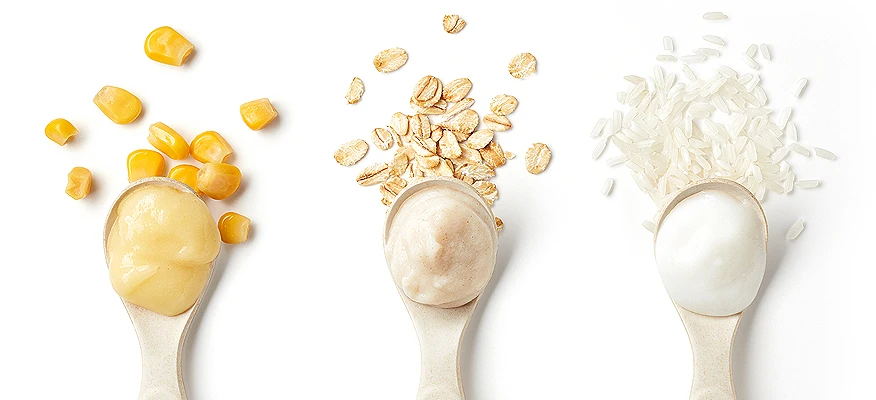
For many parents, grains are among the very first solid foods they offer their baby. From traditional rice cereal to newer options like oats and quinoa, the choices can feel overwhelming. Every grain comes with its own nutritional profile, benefits, and a few things to watch out for.
So, what’s actually the healthiest grain for babies?
The short answer: there’s no single “best” grain. The healthiest approach is variety — rotating different grains so your baby gets a wider range of nutrients, textures, and flavors. This not only supports growth but also helps shape healthy eating habits early on.
Here’s how the most common baby-friendly grains stack up.
Why grains matter in baby nutrition
Grains are a major source of carbohydrates, which are your baby’s primary source of energy.
At a stage when growth is rapid and new milestones like sitting, crawling, and walking are just around the corner, that energy matters.
Many grains also provide important nutrients such as iron, B vitamins, fiber, and small amounts of protein. Iron is especially important after six months, when a baby’s natural iron stores begin to run low. Fiber supports digestion, while B vitamins play a role in energy metabolism and brain development.
In other words, grains aren’t just fillers — they can be an important part of a balanced early diet (Harvard School of Public Health).
Is rice cereal still the best first food?
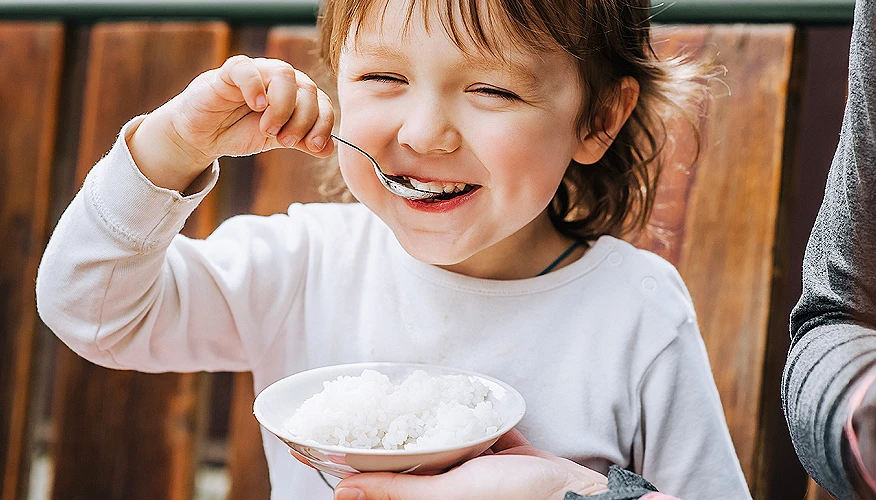
Rice cereal remains one of the most common first foods in many parts of Asia and Africa. It is easy to digest, widely available, and often iron-fortified.
However, research has shown that rice can contain higher levels of inorganic arsenic compared to other grains. While this does not mean rice must be avoided, it does mean it should not be the only grain your baby eats.
Health authorities now encourage parents to rotate rice with other grains such as oats, barley, millet, and mixed-grain cereals. This approach helps reduce potential arsenic exposure while also improving overall nutrition.
Oats for babies: fiber and iron
Oats are one of the most recommended grains for babies because they are naturally rich in fiber and contain iron, a nutrient many babies need more of after 6 months.
Benefits of oats include:
- Gentle on digestion, less likely to cause constipation.
- Versatile: can be made into porridge, pancakes, or mixed into purees.
- Gluten-free, making them suitable for babies with gluten sensitivities.
Start with iron-fortified baby oatmeal before offering steel-cut or rolled oats, which can be cooked and pureed (Mayo Clinic).
Quinoa for babies: a superfood option
Quinoa is often called a superfood because it contains all nine essential amino acids, making it a complete protein source. It also has iron, magnesium, and fiber (Cleveland Clinic).
Parents like quinoa because:
- It is naturally gluten-free.
- It provides plant-based protein for growing muscles.
- It can be cooked into a soft mash or blended into purees.
Rinse quinoa well before cooking to remove saponins, a natural coating that can taste bitter.
Barley: gentle on digestion
Barley is another excellent grain for babies. It is high in fiber, which helps with digestion, and contains important minerals like selenium and manganese.
Barley can also be easly mixed with soups or mix veggies for oldren children when cooked. It has a very mild flavour that doesn’t bother children in terms of taste and get accepted easily into a meal (NHS).
Millet: a traditional grain with benefits
Millet is widely eaten in Africa and Asia and has long been part of traditional weaning foods. It is gluten-free and high in magnesium, phosphorus, and antioxidants.
Millet porridge is soft, easy to digest, and can be flavored with fruit or vegetables. It is also less likely to trigger allergies compared to wheat (WHO).
Wheat and gluten: what parents should know
Wheat is a staple grain in many diets, but parents often worry about gluten. Gluten is a protein found in wheat, barley, and rye. Most babies can tolerate gluten, and introducing it between 4 and 12 months may actually lower the risk of celiac disease (Celiac Disease Foundation).
Start with small amounts, such as wheat cereal or soft pasta, and monitor for signs of intolerance like diarrhea, rash, or poor weight gain.
Whole grains vs refined grains
Whenever possible, offer whole grains instead of refined grains.
Whole grain is basically an unrefined or unpolished grain that contains plant parts like the bran, germ, and endosperm, which makes it richer in fiber, vitamins, and minerals than a polished/refined grain. Refined grains, such as white rice or white bread, lose many nutrients during processing (Harvard School of Public Health).
For babies, whole grains can be pureed or mashed until soft. Options include oatmeal, brown rice, quinoa, and whole wheat pasta.
How to safely introduce grains
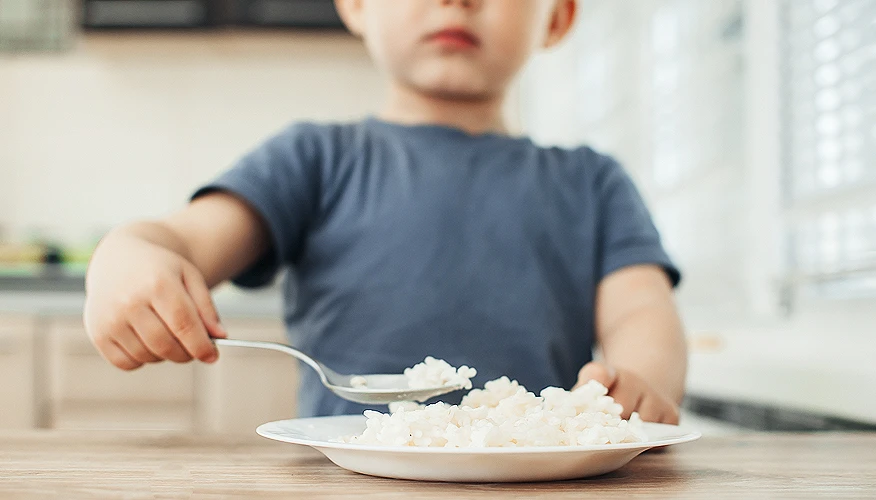
Introducing grains should be done gradually and safely:
- Start with single-grain cereals: This makes it easier to detect allergies.
- Cook grains thoroughly: Grains should be soft enough to mash with a spoon.
- Offer small amounts: Begin with a few spoonfuls and increase gradually.
- Mix with breast milk or formula: This makes the texture familiar and easier to accept.
- Watch for allergies: While rare, wheat or soy-based grains may cause reactions in sensitive babies.
Avoid adding sugar or salt to babies’ grains, as babies’ kidneys are not ready for excess sodium, and sugar is unnecessary at this stage (CDC).
Conclusion
Which grain is healthiest for a baby depends on each child’s nutritional needs.Generally, grains like oats, quinoa, barley and millet are source of excellent nutrition and are safe and easy to prepare. Rice cereal can be given in moderation but it shouldn’t be the only grain given to a child. They need a varied profile of grains to be introduced in their meals.
By rotating different grains, parents can give their babies a balanced diet that supports healthy growth and builds healthy eating habits. Choosing whole grains over refined options adds even more benefits.
Every baby is different, so always check with your pediatrician if you have concerns about allergies, digestion, or nutrition.