

Anemia is one of those conditions that can easily fly under the radar. It’s more common than we think, yet it often goes unnoticed because the symptoms can be so subtle.
Feeling tired? Pale skin? A bit dizzy now and then? It’s easy to brush these off as signs of a busy life or just not getting enough sleep.
Iron deficiency is a major cause of anemia, affecting the body’s ability to produce enough healthy red blood cells to keep energy levels up.
But because symptoms can creep in slowly, it’s often hard to pinpoint anemia as the reason behind feeling constantly run down.
That’s why understanding how anemia presents itself—and why it’s so easy to miss—can make a real difference in spotting it early.
Why does anemia often go unnoticed?
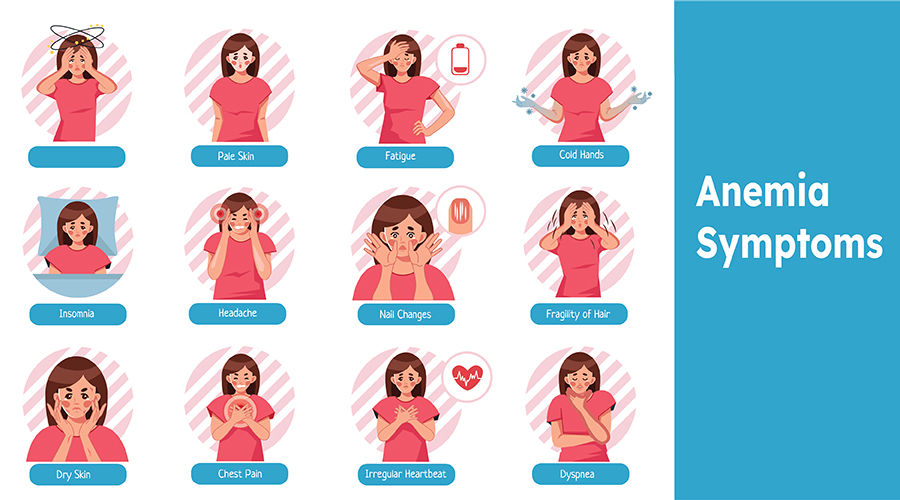
Anemia can be sneaky, often creeping up on people without them realizing it.
Here’s why it often goes unnoticed, even as it slowly drains your energy and affects daily life:
1. Gradual onset of symptoms
- Slow and subtle: Anemia doesn’t usually hit with a bang. Instead, the symptoms develop gradually, making it easy to ignore the signs as they sneak up over time.
- Adjusting without realizing: Many people adapt to feeling a bit tired, slightly out of breath, or needing a few extra breaks, often not realizing these small changes add up to a bigger issue.
- Blaming other causes: People might blame their low energy on things like a busy schedule, not enough sleep, or simply getting older. “I’m just tired,” becomes a common excuse when, in fact, anemia could be the underlying cause.
2. Non-specific symptoms
- Overlapping with Everyday Ailments: Anemia symptoms like fatigue, headaches, and dizziness can be attributed to numerous everyday issues—lack of sleep, dehydration, stress, or even just a bad day.
- Misinterpreting Tiredness: Feeling constantly tired can be mistaken for common lifestyle fatigue. A busy parent, for example, might assume tiredness is simply part of life, while a young adult could blame late nights or work stress.
- Headaches and Dizziness: Frequent headaches or occasional dizziness might not seem alarming at first. Often, people try to fix it by drinking more water, grabbing an extra coffee, or thinking they’re just worn out.
3. Commonly confused with aging or lifestyle changes
- “Normal” Aging Signs: As people get older, they may attribute symptoms like shortness of breath or feeling weaker to natural aging rather than suspecting anemia.
- Lifestyle Misinterpretation: When symptoms blend in with what people see as part of their lifestyle, it’s easy to overlook anemia. They may think that feeling winded after a short walk is simply from lack of exercise or that needing a nap is due to daily demands.
4. Ignoring persistent symptoms
“It’s Just a Phase” Mentality: Many tend to brush off persistent fatigue or weakness, expecting it to pass. But when these symptoms continue, it’s a sign that something might be wrong.
Putting Off Doctor Visits: People may avoid seeing a doctor, thinking that rest or diet changes will solve the problem. However, without proper medical tests, anemia can go undiagnosed and untreated.
Subtle signs of anemia you shouldn’t ignore
Anemia can show up unexpectedly, with symptoms often brushed off as normal tiredness or minor health annoyances. Here’s a closer look at some of these easily overlooked signs:
Constant fatigue and weakness
- This isn’t just feeling tired at the end of a long day; it’s a deep, unshakable fatigue that doesn’t go away with rest.
- You may feel wiped out even after a full night’s sleep or struggle with tasks that used to be easy.
- Anemia-related fatigue can feel like your energy tank is always running on empty.
Pale or yellowish skin
- Anemia can drain the color of your skin, giving it a washed-out or yellowish look.
- This change is often noticeable in areas with thin skin, like the face, lips, and inside of the lower eyelids. If people ask if you’re feeling okay, it might be a sign that your skin tone has subtly shifted.
Shortness of breath, even with light activity
- Finding yourself out of breath after climbing a few stairs or walking a short distance?
- With anemia, the body struggles to get enough oxygen to the muscles, making even mild activities feel strenuous.
- This isn’t the normal “out of shape” feeling—it’s a deeper breathlessness that feels hard to shake.
Brittle nails and hair thinning
- Iron deficiency can weaken the body’s building blocks, including hair and nails.
- You might notice nails that chip easily, seem unusually soft, or develop thin ridges.
- Hair may start thinning or falling out more than usual because the body prioritizes essential functions over hair growth when iron is low.
Headaches and dizziness
- Low oxygen levels caused by anemia can lead to frequent, nagging headaches or light-headedness, especially when you stand up quickly.
- It’s easy to dismiss these as dehydration or low blood sugar, but if they keep happening, they might be signs of iron deficiency anemia.
Groups at higher risk of missed anemia
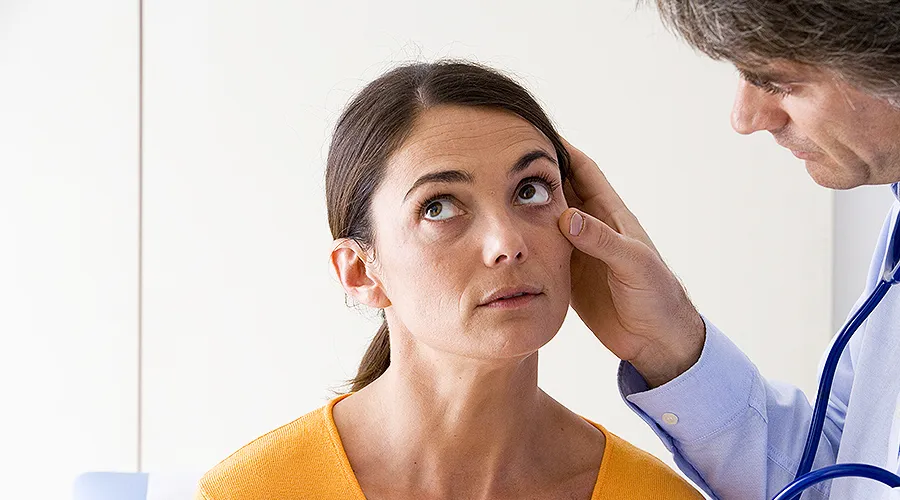
Certain groups are more vulnerable to undiagnosed anemia, often because their symptoms are mistaken for other conditions or lifestyle factors.
Here’s why anemia can be easily missed in these groups:
Women and menstruation
Why they’re at risk
- With each menstrual cycle, women lose a certain amount of blood, and along with it, iron. For women with heavy or prolonged periods, this monthly iron loss can quickly add up.
Why anemia goes unnoticed
- Fatigue and weakness may simply be attributed to a busy lifestyle, stress, or hormonal changes, leading women to overlook anemia symptoms as “just feeling tired.” Over time, these symptoms can worsen if iron levels continue to drop.
Pregnant women
Why they’re at risk
- Pregnancy increases the body’s demand for iron, as both the mother and the baby need sufficient oxygen-rich blood to stay healthy.
Why anemia goes unnoticed
- Many women assume feeling tired or weak is just part of pregnancy, not realizing these could be signs of iron deficiency anemia. However, low iron during pregnancy can lead to complications such as low birth weight or preterm delivery, making regular checks essential.
Older adults
Why they’re at risk
- Anemia symptoms—such as fatigue, weakness, and shortness of breath—are often attributed to “just getting older.”
Why anemia goes unnoticed
- The gradual onset of symptoms can lead older adults to accept them as normal aging signs. Unfortunately, untreated anemia in this group can lead to cardiovascular issues due to the added strain on the heart. Regular blood tests are crucial to identify anemia early.
People with chronic illnesses
Why they’re at risk
- Many chronic conditions, like kidney disease, diabetes, or autoimmune disorders, cause symptoms that overlap with anemia, including fatigue and weakness.
Why anemia goes unnoticed
- Since fatigue is already part of their daily life, people with chronic illnesses may not recognize it as a sign of anemia.
- This can make anemia harder to detect, potentially worsening the primary condition and leading to further health complications.

Conclusion
Anemia often hides in plain sight, with symptoms that blend into the background of our busy lives.
But tuning into those persistent, unexplained signs—like constant tiredness, paleness, shortness of breath, or even frequent headaches—can be the key to catching anemia before it takes a toll on your health.
Ignoring these subtle clues may seem easy, but taking action early can make all the difference. When anemia is detected and treated promptly, it’s possible to regain energy, improve focus, and prevent more serious complications that come from prolonged iron deficiency.