

Fatigue is an all-too-common experience that can significantly impact one’s quality of life, making even simple tasks feel daunting.
Unlike normal tiredness that resolves with rest, chronic fatigue lingers, often affecting productivity, mood, and overall well-being.
Fatigue can arise from various causes—stress, sleep disorders, poor diet, and certain medical conditions, to name a few. Among these, iron deficiency, particularly low ferritin levels, is a common yet frequently overlooked culprit.
By checking ferritin levels, you can uncover if an iron deficiency is behind your symptoms, allowing you to take targeted steps toward restoring energy and vitality.
We will explore more about this in the blog.
What is ferritin?

Ferritin is a crucial protein that stores iron in your body. Think of it as a storage unit for iron, which is essential for many bodily functions.
While most people associate iron with energy, iron does far more: it aids in oxygen transportation, helps produce healthy red blood cells, and supports various cellular functions.
1. Ferritin’s role in iron storage and health
- Ferritin stores excess iron in your cells and releases it when your body needs it, especially for red blood cell production. When red blood cells are healthy, they efficiently carry oxygen throughout the body, ensuring that organs and tissues have the oxygen they need for energy and function.
- This stored iron helps maintain stable iron levels over time, which is crucial because the body doesn’t naturally produce iron—it must come from your diet. Having a reserve in the form of ferritin means you’re less likely to suffer from sudden iron deficiencies.
2. Ferritin and energy
- Ferritin plays an indirect but important role in energy production. Without enough stored iron, your body can struggle to produce the hemoglobin necessary for oxygen transportation. Low oxygen delivery to muscles and organs results in the fatigue, dizziness, and weakness often associated with low iron levels.
- When ferritin levels are optimal, your body has enough iron on hand to keep energy levels stable, support focus, and enhance overall vitality.
3. Normal ferritin levels
Ferritin levels are measured in nanograms per milliliter (ng/mL) and can vary based on age, sex, and individual health conditions. Generally, normal ferritin ranges are:
- Men: 24 to 336 ng/mL
- Women: 11 to 307 ng/mL
These ranges can differ slightly among laboratories. It’s important to consult with a healthcare provider to interpret ferritin levels accurately.
Link between ferritin levels and fatigue
Understanding the connection between ferritin levels and fatigue requires a closer look at how iron functions in the body.
Ferritin is a blood protein that contains iron; it serves as a storage unit, holding onto iron and releasing it when the body needs it. Iron is a vital component of hemoglobin, the protein in red blood cells responsible for transporting oxygen from the lungs to the rest of the body.
When ferritin levels are low, it indicates that the body’s iron stores are depleted, which can have a direct impact on energy levels.

How low ferritin impacts energy levels
- Reduced oxygen transport: With insufficient iron, the body produces fewer healthy red blood cells. When cells receive less oxygen, energy production diminishes, resulting in feelings of fatigue.
- Impaired energy metabolism: Iron plays a role in the mitochondrial electron transport chain, a series of reactions that produce adenosine triphosphate (ATP), the energy currency of the cell. Low iron levels can disrupt this process, leading to decreased ATP.
- Neurological effects: Iron is essential for the synthesis of neurotransmitters like dopamine and serotonin, which regulate mood and alertness. Low ferritin levels can lead to imbalances.
Common symptoms associated with low ferritin
- Persistent tiredness and fatigue
- Dizziness and lightheadedness
- Muscle weakness
- Shortness of breath
- Pale or sallow skin
- Heart palpitations
- Headaches
- Brittle nails and hair loss
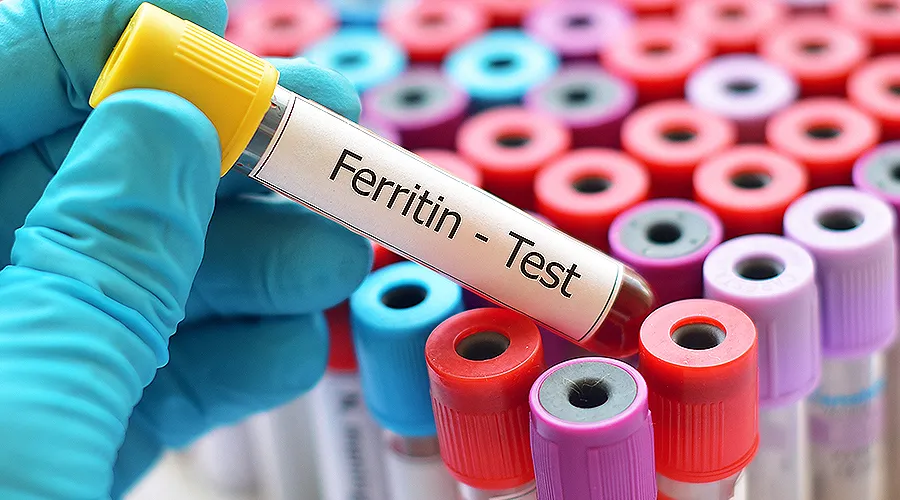
Why checking ferritin levels is important
You might wonder why the Hb test is not enough to determine iron levels and ferritin check is required.
Well, that’s because monitoring ferritin levels is essential for assessing iron status and overall health, as it provides distinct yet complementary information. Here’s a detailed overview to understand they key differences:
| Aspect | Hemoglobin (Hb) Level Testing | Ferritin Level Testing |
| Definition | Hemoglobin is a protein in red blood cells responsible for transporting oxygen from the lungs to the rest of the body. | Ferritin is a protein that stores iron within cells, releasing it as needed for vital functions like hemoglobin production. |
| Purpose of Test | Measures the blood’s oxygen-carrying capacity. | Assesses the body’s iron reserves. |
| Indications for Testing | Suspected anemia, fatigue, shortness of breath, or routine health assessments. | Evaluation of iron deficiency, iron overload, or chronic diseases affecting iron metabolism. |
| Interpretation of Low Levels | May indicate anemia, which can result from various causes, including iron deficiency, chronic diseases, or vitamin deficiencies. | Suggests depleted iron stores, often preceding the development of anemia. |
| Interpretation of High Levels | Elevated Hb levels can occur due to conditions like polycythemia vera or living at high altitudes. | Elevated ferritin levels can indicate conditions such as iron overload, inflammation, or liver disease. |
| Clinical Significance | Provides information about the blood’s ability to transport oxygen, essential for diagnosing and managing anemia and related conditions. | Offers insight into the body’s iron storage status, crucial for diagnosing iron deficiency or overload before changes in hemoglobin levels occur. |
| Timing of Changes | Hb levels decrease after iron stores are depleted and anemia develops. | Ferritin levels decrease before hemoglobin levels drop, allowing for early detection of iron deficiency. |
| Complementary Nature | Hb testing identifies existing anemia and assesses its severity. | Ferritin testing detects early iron deficiency, guiding interventions to prevent anemia. |
While Hb testing reveals the blood’s current oxygen-carrying capacity, it may not detect early stages of iron deficiency.
Ferritin testing, however, can identify low iron stores before anemia develops, allowing for timely intervention. This is particularly important for individuals at risk of iron deficiency, such as pregnant women, those with heavy menstrual bleeding, or individuals with certain chronic conditions.
Thus, ferritin checking is important because:
- Early detection of iron deficiency: Ferritin is one of the first indicators to drop when iron stores are depleting. Testing ferritin levels can help detect iron deficiency before it progresses to anemia, allowing for early intervention.
- Targeted treatment: Identifying low ferritin levels enables healthcare providers to recommend specific treatments, such as dietary changes or iron supplementation, to replenish iron stores effectively.
- Preventing complications: Prolonged iron deficiency can lead to more serious health issues, such as heart problems or developmental delays in children. Regular monitoring helps prevent these potential complications.
Who is at risk of low ferritin?
Here are some of the groups commonly at risk:
1. Women (Especially Those with Heavy Menstrual Cycles)
- Women, particularly those with heavy or prolonged menstrual periods, are more prone to losing iron each month. This recurring blood loss can deplete iron stores over time, leading to lower ferritin levels.
- Pregnant women are also at risk due to increased iron demands for fetal development and the placenta.
- Women who experience postpartum blood loss may find their iron levels depleted, which can take several months to fully recover.
2. Individuals with Certain Health Conditions
- Gastrointestinal Disorders: Conditions like celiac disease, Crohn’s disease, or ulcerative colitis can impair nutrient absorption, including iron. Damage to the gut lining or inflammation can limit how much iron is absorbed, leading to low ferritin levels.
- Bariatric Surgery Patients: People who have undergone weight-loss surgery, particularly procedures that bypass parts of the intestine, may face absorption issues and are often at risk of low ferritin.
- Kidney Disease Patients: Individuals with kidney disease may experience low iron levels due to reduced erythropoietin production, which regulates red blood cell production and can impact iron stores.
3. Athletes (Due to High Iron Demands)
- Athletes, especially endurance athletes like runners and cyclists, often experience higher iron demands due to the physical stress and increased red blood cell turnover involved in high-intensity training.
- “Foot-strike hemolysis,” which occurs when the impact from running causes red blood cells to break down in the feet, can also contribute to iron loss in runners.
- Athletes may lose iron through sweating, further depleting their iron reserves, especially if training in hot climates or for long durations.
4. Older Adults
- Iron absorption can decrease with age due to changes in the digestive system. Older adults are more prone to conditions that impact gut health, which can affect ferritin levels.
- Dietary intake of iron may also decline due to factors like appetite changes, reduced meat consumption, or increased reliance on medications that interfere with iron absorption, such as antacids.
What to do if you have low ferritin?
If a blood test confirms that your ferritin levels are low, it’s important to take steps to restore them to normal. Here are some practical strategies to help boost your ferritin levels:
1. Dietary changes to increase iron intake
- Iron-rich foods: Incorporate more iron-rich foods into your diet to help replenish ferritin levels. Focus on foods like spinach, lentils, beans, tofu, quinoa, fortified cereals, and pumpkin seeds. Dark leafy greens, legumes, and iron-fortified grains are also excellent sources.
- Boost absorption with vitamin C: Vitamin C can significantly enhance the absorption of nonheme iron. Pair iron-rich foods with vitamin C sources like citrus fruits, bell peppers, tomatoes, and strawberries to maximize absorption. For example, add lemon juice to a spinach salad or have an orange with your meal.
2. Consider iron supplements
- Iron supplement options: If dietary changes alone aren’t enough, your healthcare provider may recommend an iron supplement.
- Speak with a healthcare provider: Iron supplements can be highly effective, but it’s important to consult a healthcare provider before starting them.
3. Lifestyle tips to support recovery from fatigue
- Gentle Exercise: Activities like walking, stretching, and gentle yoga can be beneficial as they promote blood circulation and muscle health. However, avoid intense workouts until your ferritin levels are restored.
- Prioritize Rest and Quality Sleep: Since low ferritin can cause fatigue, it’s crucial to focus on getting enough rest.
- Manage Stress: Practice stress management techniques like deep breathing exercises, meditation, or spending time in nature to reduce stress levels.
- Stay Hydrated: Proper hydration is important for energy and overall health. Dehydration can worsen fatigue, so aim to drink water consistently throughout the day.
Conclusion
Fatigue that lingers, despite adequate rest, could be a sign of low ferritin levels.
Addressing this often-overlooked cause of tiredness can help restore energy, improve focus, and boost overall vitality.
By understanding ferritin’s role and knowing when to test, you can take steps to replenish iron stores through diet, supplements, and lifestyle habits. Proactively managing ferritin levels can be key to a healthier, more energized life.