

The first year of life sets the foundation for everything that follows — growth, learning, immunity, and long-term health. This is why understanding why infant nutrition is important matters so deeply for parents and caregivers. What a baby eats in these early months doesn’t just support day-to-day growth; it shapes brain development, strengthens the immune system, and influences lifelong eating habits.
During infancy, the body grows at a pace that will never be repeated again. The brain forms millions of connections, bones lengthen rapidly, and the immune system learns how to protect the body. All of this depends on getting the right nutrients at the right time. Even short gaps in nutrition during this critical window can have lasting effects.
From breast milk or formula in the early months to the careful introduction of solid foods later on, every feeding decision contributes to a bigger picture. Understanding why infant nutrition is important helps parents move beyond simply “feeding enough” to nourishing growth, development, and future wellbeing with confidence.
Why the first year matters most
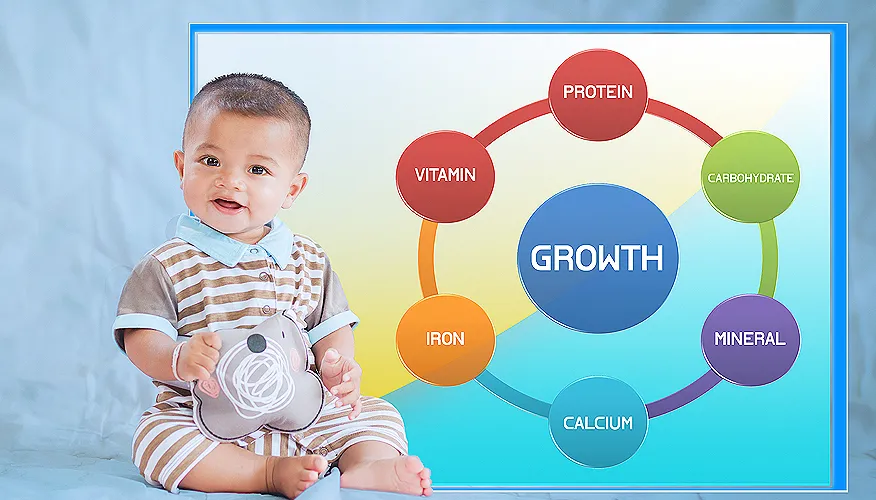
The first year of a baby’s life is often described as a once-in-a-lifetime window for growth—and for good reason. By their first birthday, most babies triple their birth weight, while their brains grow faster than at any other point in life. According to the World Health Organization, nutrition during this early stage is one of the most powerful influences on a child’s survival, health, and long-term development.
When babies don’t receive enough of the right nutrients, the consequences can be serious. Inadequate nutrition in infancy has been linked to stunted growth, delayed physical and cognitive development, and weaker immunity. These effects don’t simply fade with time—they can shape a child’s health and abilities well into adulthood.
Brain development and nutrition
A baby’s brain develops at an astonishing pace. By the age of two, it reaches nearly 80 percent of its adult size. Supporting this rapid growth requires a steady supply of specific nutrients that fuel brain structure, communication, and learning.
Omega-3 fatty acids such as DHA play a key role in building brain cell membranes. Iron ensures oxygen reaches brain tissue efficiently, while choline supports memory and learning pathways. Minerals like zinc and iodine are equally important for cognitive development and neurological function. Research from the Harvard T.H. Chan School of Public Health shows that deficiencies during infancy may affect attention, learning ability, and even academic performance later in childhood.
Supporting a strong immune system
Babies enter the world with developing immune systems, making nutrition essential for protection against illness. Breast milk provides antibodies that help defend against infections in the early months. For babies who are formula-fed, fortified formulas supply important nutrients such as vitamin D and zinc, which also support immune function.
As babies begin solid foods, nutrition continues to shape immune strength. Foods rich in vitamin C, beta-carotene, protein, and essential minerals help the body respond effectively to everyday infections. The American Academy of Pediatrics highlights that good nutrition in infancy is linked to fewer respiratory infections, ear infections, and digestive illnesses during early childhood.
Preventing growth delays and stunting
Globally, millions of children under the age of five experience stunted growth due to chronic undernutrition. Stunting occurs when a child does not grow to their expected height for age, often beginning in infancy. Its effects go far beyond height—stunted children may face learning difficulties, reduced productivity, and increased risk of chronic diseases later in life.
The most critical period for prevention is the first 1,000 days, spanning from conception to a child’s second birthday. Adequate calories, high-quality protein, and essential micronutrients during this time are key to supporting normal growth and preventing long-term setbacks.
Introducing solid foods the right way
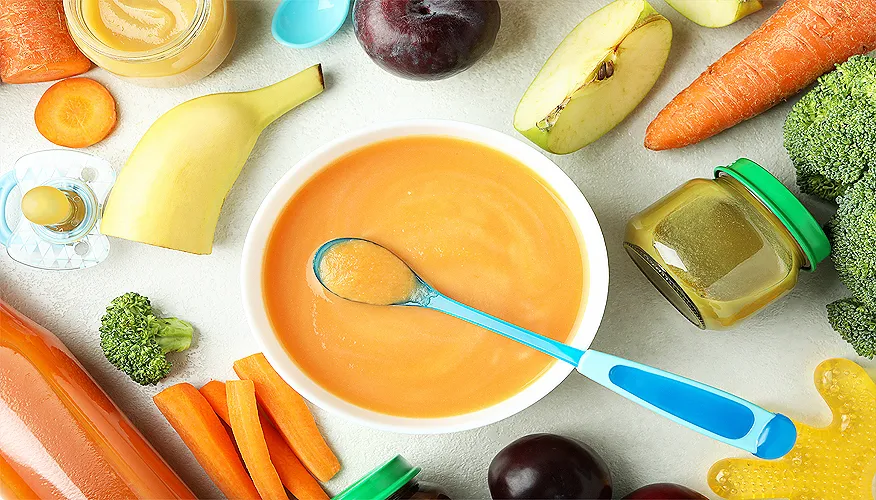
Solid foods are usually introduced around six months of age, when babies show readiness signs such as sitting with support and good head control. Timing matters. Introducing solids too early can increase the risk of digestive discomfort and choking, while delaying them for too long may lead to nutrient gaps—especially iron and zinc.
When solids begin, variety plays a crucial role. Iron-rich foods such as pureed meats, beans, or fortified cereals help replenish iron stores.
Colourful fruits and vegetables provide vitamins and fiber, while healthy fats like avocado support brain development. Offering a range of textures and flavors early on helps babies become more accepting of different foods, reducing the likelihood of picky eating later.
Setting lifelong healthy habits
Infant nutrition shapes more than growth—it influences lifelong food preferences and habits. Babies who are introduced to fruits, vegetables, and whole foods early are more likely to enjoy them as children and adults. In contrast, frequent exposure to sugary drinks or highly processed foods may encourage unhealthy preferences.
Research from the National Institutes of Health suggests that early balanced nutrition is associated with lower risks of obesity, diabetes, and heart disease later in life. Just as important is the feeding environment. Calm, responsive mealtimes without pressure or force help children develop a positive relationship with food.
Practical nutrition tips for parents
Supporting infant nutrition doesn’t require perfection. Health professionals consistently remind parents that consistency and balance matter more than rigid rules.
Breastfeeding exclusively for the first six months is recommended when possible, while high-quality formula offers a safe alternative when breastfeeding isn’t an option.
Solid foods should begin around six months, starting with iron-rich options.
Honey and cow’s milk should be avoided before the first birthday, and new foods should be introduced one at a time to watch for reactions.
As babies show readiness, safe finger foods can encourage self-feeding and independence. Most importantly, keeping mealtimes relaxed and pressure-free supports both nutrition and emotional wellbeing.
Conclusion
Infant nutrition is one of the most meaningful investments a parent can make in their child’s future. The nutrients babies receive in their earliest months influence how they grow, think, fight illness, and relate to food for years to come. Providing the right foods at the right time supports brain development, immune strength, and healthy physical growth.
Whether through breastfeeding or formula in the early days, or through the careful introduction of solid and finger foods later on, parents are laying the foundation for lifelong habits. A nurturing, informed approach to feeding doesn’t just nourish a baby today—it helps shape a healthier, stronger adult tomorrow.