

Feeling itchy down there can be uncomfortable and frustrating, but know that you’re not alone — and it’s nothing to be embarrassed about.
Itchy pubic hair and skin are common experiences that many people face at some point, caused by a variety of factors from simple irritation to infections or allergies.
Understanding why is my pubic hair itchy, what might be triggering the itch and learning effective ways to soothe it — whether through gentle natural remedies or appropriate medical treatments—can help you reclaim comfort and confidence.
This article gently guides you through the most common causes of pubic hair itchiness and offers practical relief methods, all with kindness and respect for your body’s natural needs.
Knowing why this occurs and how to alleviate itchy pubic hair can assist you in coping with discomfort and averting it as a chronic issue.
Let’s delve deeper into the causes, treatments, and prevention measures.
Can pubic hair itch?
Yes, it definitely can. Pubic hair is more coarse, denser, and located in a sensitive region. Therefore, it is more likely to cause irritation, dryness, and discomfort.
Most women and some men tend to question itchy pubic hair problems at various stages of the month or after hair removal techniques such as shaving or waxing.
If you are thinking and saying to yourself, “My pubic hair is itchy and it is driving me nuts,” don’t worry, you are not delusional, and it can be treated successfully.
Why is my pubic hair itchy?
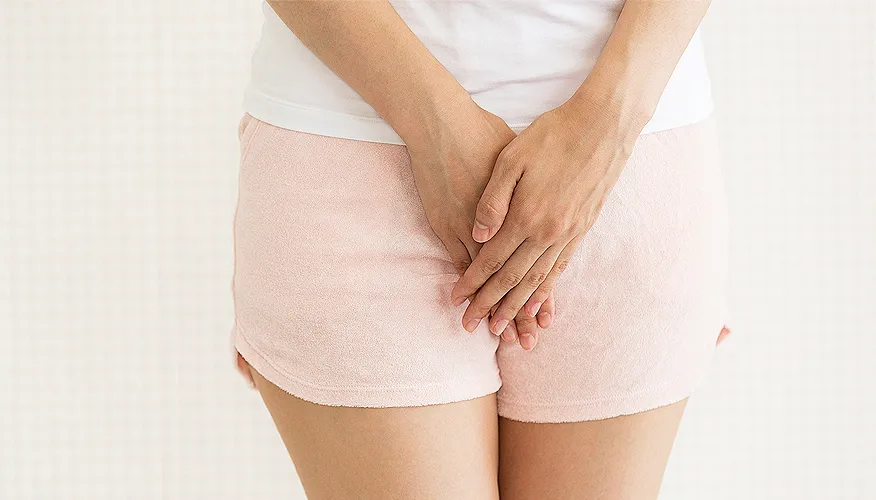
Let’s see the leading reasons behind itchy pubic hair:
1. Shaving and hair regrowth
Itchy regrowing pubic hair is a very common grievance. If hair regrows after shaving, the sharp edges may irritate the skin and cause itchiness. This frequently leads to stinging pubic hair regrowth or a feeling that the pubic hair is so itchy you can’t help but pay attention to it.
2. Ingrown hairs
An ingrown hair in the pubic area is an itchy condition that arises when hair curls back or grows sideways into the skin. It causes painful bumps that are itchy and may become infected. Both women and men suffer from ingrown hair and pubic itchy issues, particularly after shaving or waxing.
Dryness and flakiness
Itchy pubic hair can be caused by dry and itchy pubic skin due to the use of harsh soaps, hot showers, or even cold weather. In other instances, you might even experience itchy dandruff on pubic hair, just like on the scalp.
4. Hormonal changes
Itchy pubic hair before period is common in women due to hormonal changes that increase the sensitivity and susceptibility of the skin to irritation.
5. Skin infections
Fungal or bacterial infections may cause intense itching in the female pubic region or the private area of male pubic region. If the itchy pubic region is accompanied by redness, swelling, or discharge, it may indicate an infection.
6. Allergic reactions
New detergents, tight clothing, body lotions, or shaving creams may lead to allergies, which can cause itchy pubic and private skin.
7. Poor hygiene
Bad hygiene habits can also make you think that your pubic area itches a lot. Sweat, oils, and dead skin cells form a fertile ground for fungi and bacteria.

How to cure itchy pubic hair
Having understood the reasons behind itchy pubic hair, let’s proceed with how to cure itchy pubic hair:
- Gentle Cleansing: Apply fragrance-free and hypoallergenic cleaners on your private areas to prevent irritation.
- Moisturize regularly: Applying a non-irritating moisturizer helps prevent a dry and itchy pubic area. Aloe vera gel or coconut oil are great options for itchy pubic hair home remedies.
- Warm compress: If you have an itchy pubic area due to ingrown hair, applying a warm compress can soften the skin and reduce inflammation.
- Gentle exfoliation: Light exfoliation prevents dead skin buildup and reduces the risk of ingrown hair.
- Avoid scratching: Scratching can provide short-term relief, but aggravates the irritation and enhances infection risk.
- Wear breathable clothing: Opt for loose, cotton underwear to reduce friction and enable the area to breathe.
Seeking home remedies for the itchy pubic region? Use oatmeal baths, diluted tea tree oil applications, or even chamomile compresses for natural relief.
Natural homemade remedies for itchy pubic hair
If you’re dealing with itchiness around the pubic area, your first instinct might be to reach for medicated creams —but sometimes, gentle, natural remedies are just as effective and much kinder to your skin.
Here are some options you can try at home:
1. Aloe vera gel
Aloe vera has powerful anti-inflammatory and cooling properties. Apply a small amount of pure aloe vera gel to the itchy area to soothe irritation and promote healing. Make sure the gel is free from added fragrances or alcohol.
2. Coconut oil
Known for its antibacterial and antifungal benefits, coconut oil also provides deep moisture. Applying a thin layer can help reduce dryness and soothe skin that’s irritated from shaving or friction.
3. Oatmeal baths
Colloidal oatmeal baths can calm itching and reduce inflammation. Add a cup of finely ground oats to warm (not hot) bathwater and soak for 10–15 minutes. This is especially helpful if the itchiness is due to dry skin or a mild allergic reaction.
4. Tea tree oil (Diluted)
With natural antiseptic properties, tea tree oil can help with itching due to minor infections or ingrown hairs. Always dilute it with a carrier oil (like coconut or olive oil) before applying, and do a patch test first to rule out sensitivity.
5. Cold compresses
Applying a clean, cold compress to the area for a few minutes can reduce itching, inflammation, and redness—particularly useful after shaving or waxing.
Medical treatments for persistent pubic hair itch
If natural remedies don’t fully resolve the itch or if symptoms worsen, it may be time to explore medical options.
Persistent pubic itching could be a sign of an underlying condition like a skin infection, STI, or chronic dermatological issue that needs targeted treatment.
1. Topical antifungal or antibacterial creams
If the itch is due to a fungal infection (like candidiasis) or a bacterial issue (such as folliculitis), your doctor may prescribe medicated creams or ointments. These help clear up the infection at the source and relieve associated itching and inflammation.
2. Hydrocortisone creams
For itchiness caused by allergic reactions, irritation, or eczema, low-strength corticosteroid creams like 1% hydrocortisone may be recommended. These help reduce inflammation and soothe the skin. However, these should be used under medical guidance, especially in sensitive areas.
3. Antihistamines
If an allergic reaction or general skin sensitivity is the culprit, oral antihistamines can help relieve itching. Non-drowsy options like loratadine or cetirizine are often recommended for daytime use.
4. Treatment for STIs or parasites
If the itch is related to a sexually transmitted infection (such as pubic lice, genital herpes, or trichomoniasis), a doctor will prescribe specific medication like antiparasitics or antivirals. It’s important to get a proper diagnosis and complete the full course of treatment.
5. Pelvic dermatology or gynecological referral
In cases where the cause isn’t immediately clear or the itch is chronic and disruptive, your doctor might refer you to a dermatologist or gynecologist for deeper investigation. Conditions like lichen sclerosus or psoriasis may require long-term care plans.
When to see a doctor
Itchy pubic hair relief, in most instances, can be obtained through mild care. But you need to see a doctor if:
- My itchy pubic hair stays the same or gets worse over more than one week.
- You see any sores, blisters, or abnormal discharge.
- You think that you have a fungal or bacterial infection.
- Female pubic itching or male private area itching is with pain or swelling.
Early treatment averts complications and hastens recovery.
Prevention tips
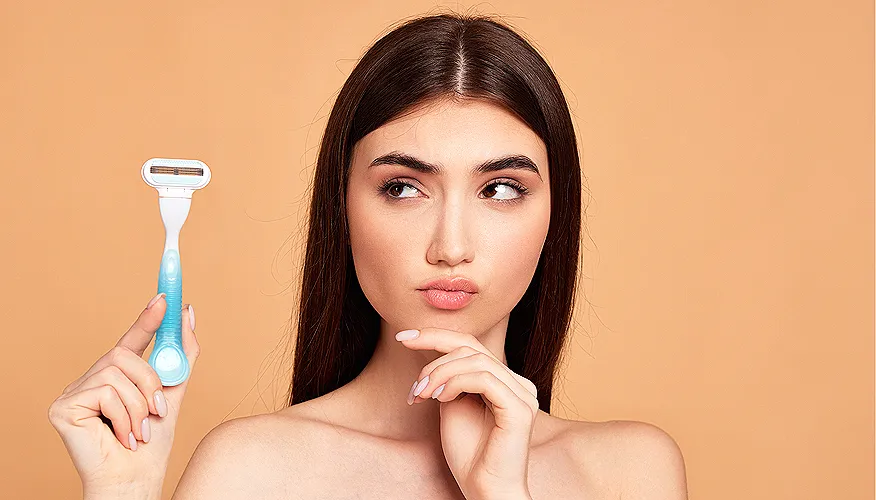
If you frequently ask yourself, “How do I prevent my pubic hair from itchy?” these are useful methods to avoid discomfort:
1. Shave properly
Learning how to avoid itchiness following a shave of pubic hair makes all the difference. Always shave with a sharp razor, shave in the direction of hair growth, and use a soothing lotion afterwards.
2. Consider trimming
Learning how to trim your pubic hair without it being itchy can save you from painful regrowth. Trimming with scissors or an electric groomer gives you smoother tips, meaning less itchiness.
3. Practice good hygiene
Shower every day with mild soap and water. Steer clear of heavily scented products on your private area.
4. Drink a lot of water
Having lots of water ensures that your skin stays healthy and remains free from dryness.
5. Use the right underwear
Moisture-wicking cotton material is best to minimize moisture and prevent friction irritation.
Conclusion
If you’re frequently wondering what does it mean if your pubic hair is itchy, the explanation may be as straightforward as regrowth of hair or dryness of the skin, or maybe it is a medical concern.
Luckily, learning how to soothe itchy pubic hair through proper shaving, hygiene, and home remedies can go a long way in alleviating the issue.
Whether you’re experiencing itchy vaginal hair, itching private area male, or overall itchy pubic hair female issues, proper care can make a big difference.